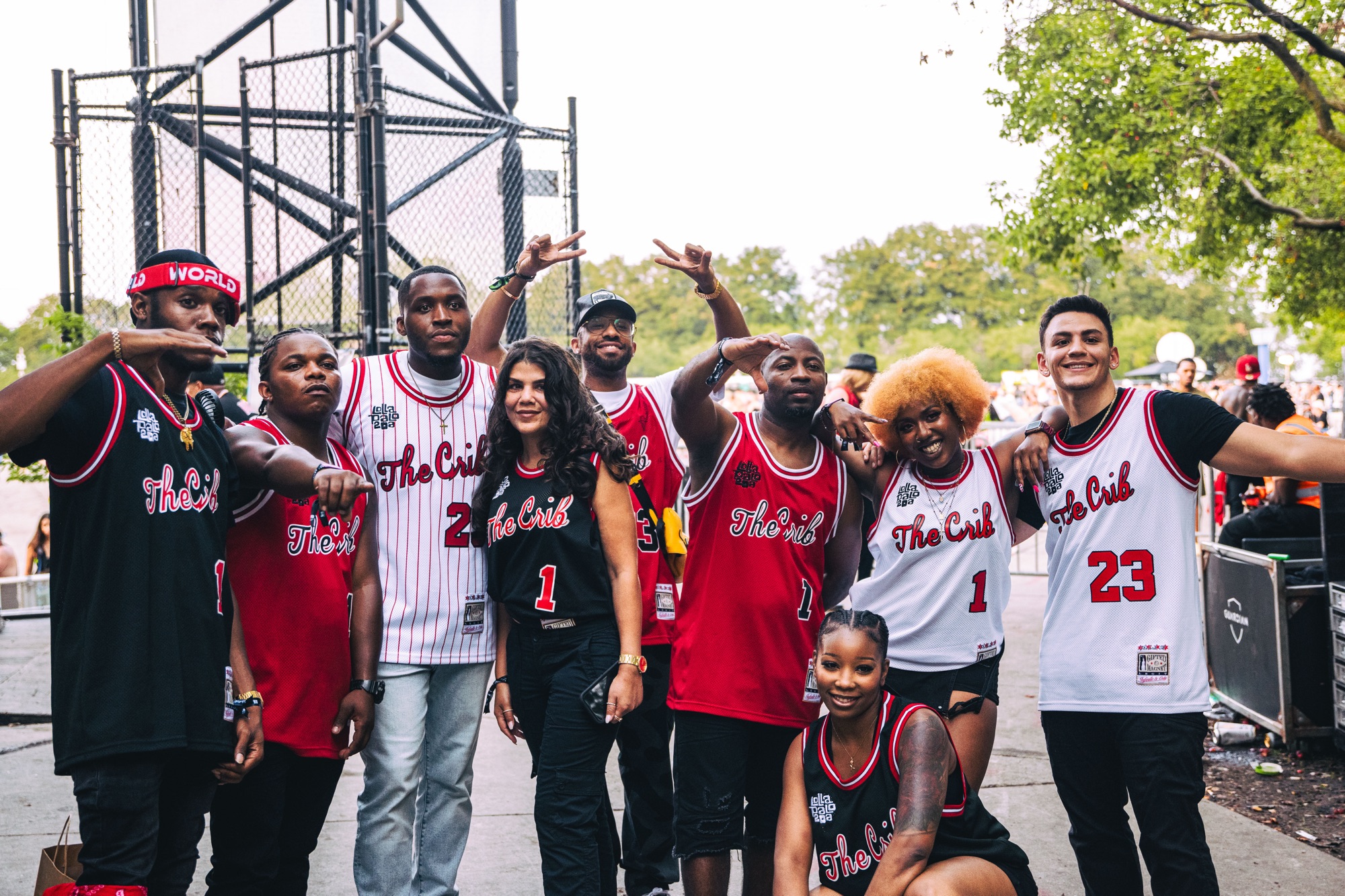

Chicago hip hop has long influenced more than sound — it has shaped how people dress, move, and present themselves. From the early days of local rap scenes to today’s modern streetwear wave, music-inspired wardrobes reflect confidence, creativity, and personal expression.
If you’ve ever built an outfit around a mood, you’ve already tapped into the idea. The goal isn’t to copy a look; it’s to pull from the eras and make it fit your everyday lifestyle.
For more Chicago style inspiration, check out WTW’s guide to Black streetwear creators putting Chicago energy on the map.

90s Chicago Hip Hop Style: Relaxed and Confident
The 1990s Chicago hip hop era leaned heavily into comfort and presence. Outfits were loose, practical, and built for everyday life.
Key style elements included:
- Baggy denim or carpenter jeans
- Oversized graphic tees and hoodies
- Timberland-style boots and classic sneakers
- Letterman jackets and heavy outerwear
This look communicated confidence without trying too hard. It was functional, street-ready, and rooted in authenticity.
How to wear it today: Balance oversized pieces with modern tailoring. Pair relaxed jeans with a fitted top, or layer a vintage-style jacket over clean sneakers for a nod to the era without feeling costume-y.
If you want a quick style-history rabbit hole, the Museum at FIT has a great overview of how hip hop helped shape modern fashion and streetwear: Fresh, Fly, and Fabulous: Fifty Years of Hip Hop Style.
2000s Influence: Bold Statements and Identity
The early 2000s marked a shift toward louder fashion choices. Music and fashion became more visibly connected, with logos and accessories moving to the center of the look.
Popular style elements included:
- Coordinated tracksuits
- Fitted caps and logo-forward accessories
- Layered chains and statement jewelry
- Clean sneakers with bold colorways
This era emphasized identity and presence. Accessories were just as important as the clothing itself.
How to wear it today: Choose one standout element — a logo jacket, bold accessory, or clean matching set — and keep the rest simple. That keeps the look grounded while still paying respect to the era.
Modern Chicago Hip Hop Style: Practical and Intentional
Today’s Chicago hip hop-inspired wardrobes focus on versatility and movement. The style reflects real-life needs while still making a statement.
Common elements include:
- Hoodies and structured sweatshirts
- Cargo pants and relaxed fits
- Neutral color palettes with subtle accents
- Minimal but intentional accessories
How to wear it today: Start with quality basics and layer thoughtfully. Fit, texture, and footwear do most of the work, so focus on pieces that feel good and hold up in rotation.
For more context on how Chicago hip hop expands into lifestyle (including fashion and entrepreneurship), tap in here: Chicago Hip Hop Culture: Music, Dance, and City Life and Chicago’s Creative Economy: A Guide for Young Creators.
Why Music-Inspired Wardrobes Still Matter
Music-driven fashion offers a framework for self-expression. Chicago hip hop style provides a reference point that helps people build wardrobes with confidence and meaning.
Rather than following trends, these influences encourage personal interpretation. Mixing eras lets you create a look that feels familiar, modern, and true to you.
Building Your Own Chicago-Inspired Wardrobe
When you pull inspiration from music and culture, keep it wearable. Your wardrobe should match how you actually move through the city.
- Choose pieces that fit your lifestyle and daily routine
- Mix old influences with modern staples
- Focus on comfort, confidence, and consistency
If you want a visual reminder of how classic boots became part of hip hop style history, this GQ roundup is a quick reference: 10 Great Timberland Boot Moments in Hip-Hop History.
A well-built wardrobe tells a story without saying a word — and Chicago hip hop continues to be one of its strongest style influences.