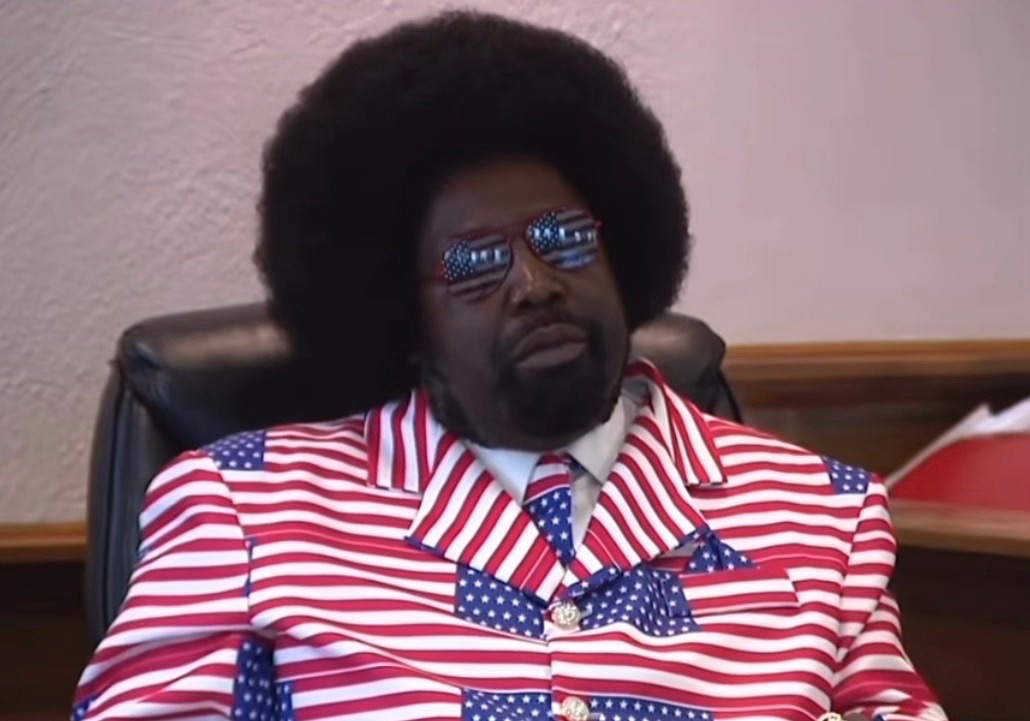

Best known for his early-2000s hit “Because I Got High,” Afroman, whose real name is Joseph Edgar Foreman, now finds himself at the center of attention as courtroom controversy raises serious questions about police conduct, artistic expression, and the limits of free speech.
According to American Civil Liberties Union, back in August 2022, deputies from the Adams County Sheriff’s Office in Ohio raided Afroman’s home. Deputies issued a warrant tied to allegations of drug trafficking and kidnapping. The entire raid was captured on Afroman’s home surveillance cameras. Officers forced their way into the home causing property damage. No evidence of criminal activity was found and no charges were ever filed.
Despite the lack of evidence, the aftermath left Afroman with thousands of dollars in damages and, more importantly, footage.
Instead of staying silent, Afroman did something unconventional: he turned something negative into a positive, creating a song from the raid.
Using his security camera footage, Afroman released music videos “Lemon Pound Cake” and “Will You Help Me Repair My Door.” The videos showed the raid but also mocked and criticized the officers involved, highlighting what he viewed as misconduct and abuse of power.
The goal in releasing the videos was to raise money for the damage to his property and to expose what he believes is misconduct and abuse of power.
In response to the videos being released, several deputies involved in the raid filed a lawsuit against Afroman claiming:
•Defamation
•Invasion of privacy
•Emotional distress
•Unauthorized use of their likeness
The lawsuit argues that Afroman’s videos subjected the deputies to ridicule, harassment, and reputational harm.
Now that the case has reached trial, Officers have testified about the emotional impact of being featured in the videos. One deputy reportedly broke down in tears on the stand.
Afroman has continued releasing and reposting content on the situation. He argues that this is protected free speech. And if the raid had never happened, neither would the music, the videos, or the controversy.
Afroman is using his voice through music to tell his side of the story and to share his surveillance footage. Law enforcement, is using the legal system to push back.
Whether the courts side with the artist or the officers, one thing is for certain:
This case could set an important precedent for how far creative expression can go when it collides with real-world events and public authority.