

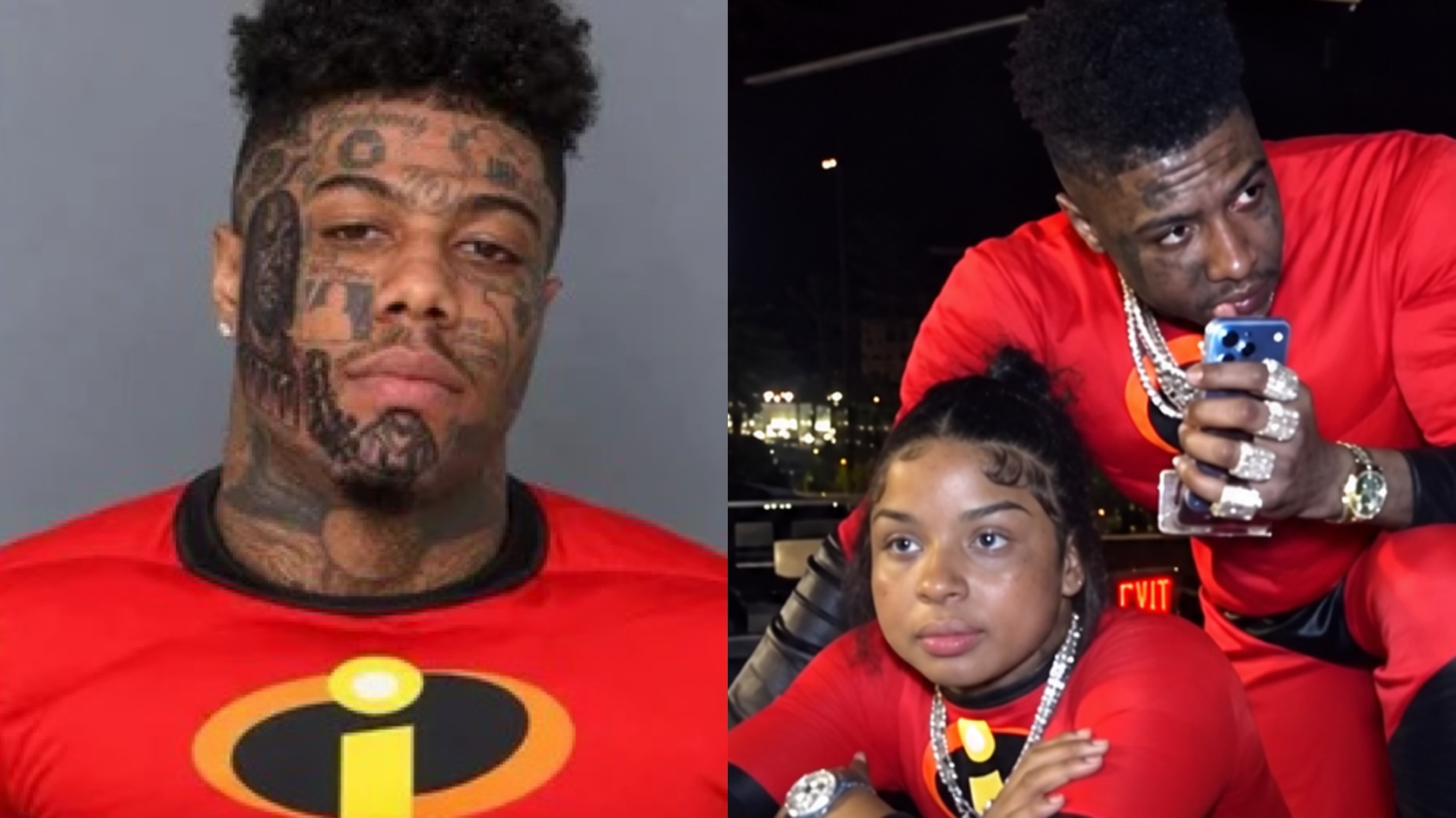

on
Blueface’s arrest raises a bigger question: Who is held accountable when a false emergency report puts someone’s life at risk?
By @lolabangsbeau
THE WORD
- TMZ reports Blueface was arrested for allegedly delaying an investigation following a swatting call.
- Swatting involves deliberately reporting a fake emergency to trigger a substantial police response at someone’s location.
- The danger extends beyond celebrities, raising questions about accountability, prevention and how police respond.
A false report. An armed response. Someone suddenly forced to navigate an emergency they know nothing about.
That is the danger at the center of swatting—and why the conversation should continue long after a celebrity’s encounter stops trending.
According to TMZ, Blueface was arrested for allegedly delaying an investigation following a swatting call. His situation brings a larger question into focus: Should deliberately creating that danger carry harsher consequences?
WHAT IS SWATTING?
SWATTING means deliberately making a false emergency report—often about a shooting, hostage situation or another immediate threat—to provoke a substantial police response at an unsuspecting person’s location.
Definition paraphrased from the FBI’s public safety guidance.
The FBI warns that swatting can cause injury or violence and divert emergency resources from legitimate calls. A home, workplace or public institution can become the scene of a response to something that never happened.
THE DANGER GOES BEYOND THE SCREEN
When footage circulates online, viewers can pause, replay and debate every movement. The person facing officers does not have that distance. Neither do family members, employees or other people who happen to be nearby.
That difference matters. An encounter can become entertainment for an audience while being frightening and potentially dangerous for those experiencing it.
We should be able to discuss how someone responds to police without losing sight of the deliberate falsehood that brought officers there. Accountability for a person’s conduct during an encounter and accountability for whoever fabricated the emergency are separate questions. Both deserve scrutiny.
Liking the person targeted should never be a condition for taking their safety seriously.
THIS HAS ALREADY TURNED DEADLY
The risk is more than hypothetical.
In December 2017, Andrew Finch was shot and killed by a Wichita police officer responding to a fabricated emergency at his home. Finch had no connection to the online dispute behind the call.
In 2019, Tyler Barriss received a 20-year federal prison sentence covering the deadly Wichita incident and other hoax-related crimes, according to the Justice Department.
Finch’s case should stay in this conversation because it shows what can happen to someone who was never involved in the conflict to begin with.
It also adds context to the question of punishment. Severe consequences have been imposed in swatting cases. The debate should examine whether accountability comes early enough to prevent harm, alongside whether sentences adequately reflect the danger created.
WHAT SHOULD ACCOUNTABILITY LOOK LIKE?
Calling for harsher consequences expresses understandable anger. Turning that demand into meaningful protection requires more questions.
Can investigators identify the person responsible? What happens when someone repeatedly targets the same household? How should the disruption and fear experienced by everyone at the location factor into accountability?
The police response also deserves examination. Emergency personnel must take reports of immediate danger seriously. But how can dispatchers and responding officers assess credibility while protecting people who may have no idea why police have arrived?
Those questions belong alongside the debate over punishment. Preventing a tragedy requires attention to the false report and the response it triggers.
EVERYDAY PEOPLE DESERVE THE SAME CONCERN
The FBI says anyone can be a victim of swatting. Its warning identifies targets beyond prominent individuals, including schools, hospitals and places of worship.
For our communities, the principle should be consistent: Nobody should have to become famous—or become a tragedy—for their safety to matter.
Celebrity coverage can open the door to this discussion. What we do with that attention matters. We can move beyond debating a viral clip and ask what would make families, workers and neighborhoods safer.
Should swatting carry harsher consequences—and what should change about how authorities handle these reports?
Be a part of the conversation.
SOURCES
- TMZ: Blueface arrest report
- FBI: Swatting warning and definition
- Justice Department: Deadly Wichita swatting case
Video credits: Kick/Blueface; @ishowspeed
