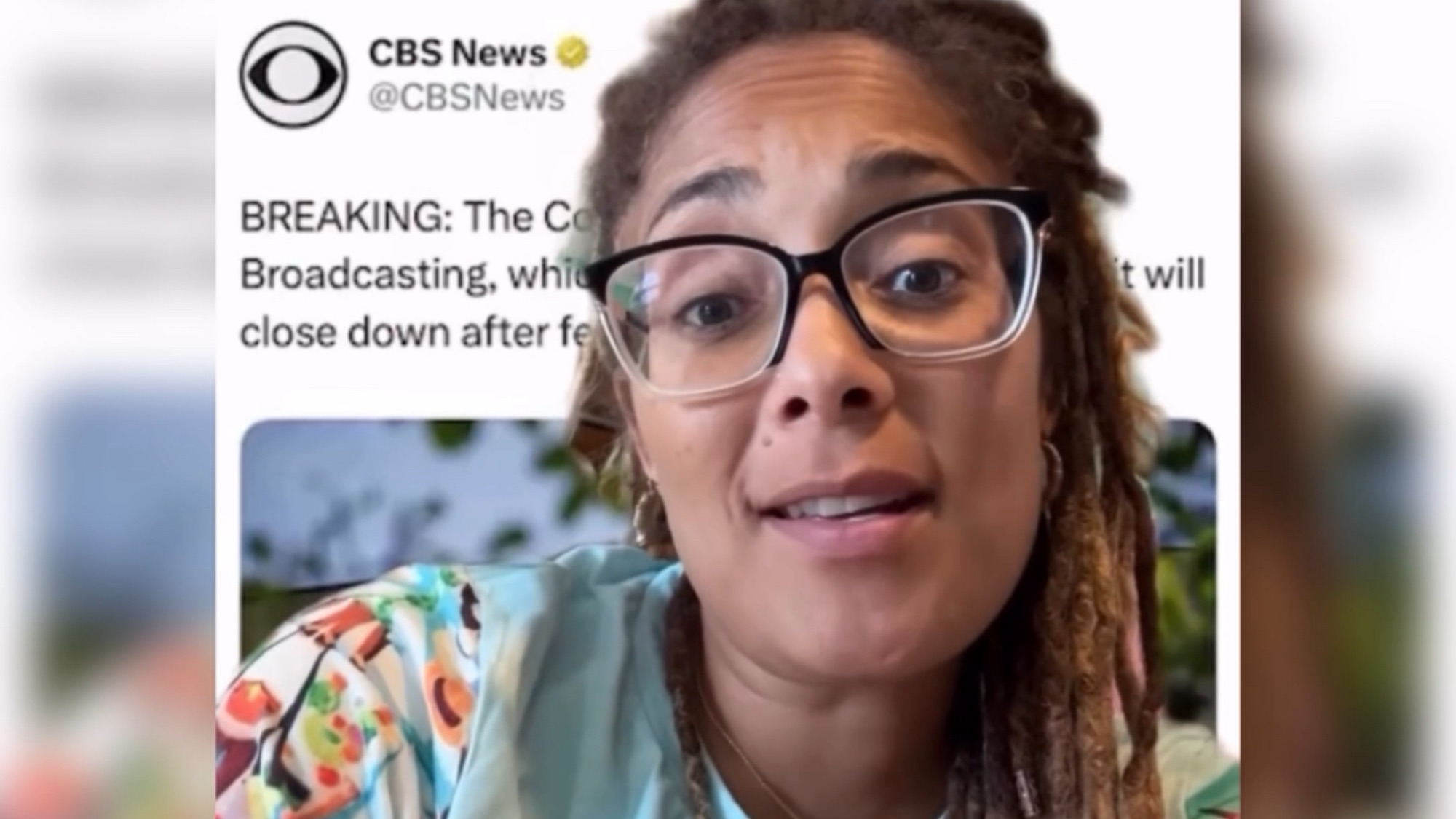
Amanda frequently shares passionate commentary on public media and institutional issues. This time she used her voice on Instagram to discuss what The Corporation Public Broadcasting closing.
It’s the end of an era for public media in America. The Corporation for Public Broadcasting (CPB) — the organization that helps fund PBS, NPR, and over 1,500 local public stations — is officially shutting down after losing all of its federal funding this summer.
Congress and the Trump administration cut CPB’s entire budget, which means the organization will be mostly closed by September 30, 2025, with just a few people sticking around to wrap things up by January 2026. That’s a big deal, especially for smaller, rural PBS and NPR stations that rely on CPB for up to half their funding. Some of those local stations might have to shut down completely. Time has the full breakdown.
This doesn’t mean PBS and NPR will disappear overnight — the national brands will likely survive thanks to private donations and streaming partnerships. But without CPB, it’ll be harder for public media to stay free and accessible, especially in places where local news and educational content are already hard to come by.
Advertisement
The CPB was created back in 1967 to make sure everyone — no matter where they live or how much money they have — could access high-quality, non-commercial media. Shows like Sesame Street, NOVA, PBS NewsHour, and Daniel Tiger’s Neighborhood became staples in households across the country. In fact, public media has consistently ranked among the most trusted institutions in the U.S. according to studies like this one.
Critics of the shutdown worry this move will deepen the digital and educational divide, especially in underserved communities. Supporters say it’s about cutting costs and moving away from federally funded media.
Whatever your stance, there’s no denying this is a huge shakeup. The media landscape is changing fast — and for a lot of folks, that means figuring out where their trusted news and kids’ shows will come from next.