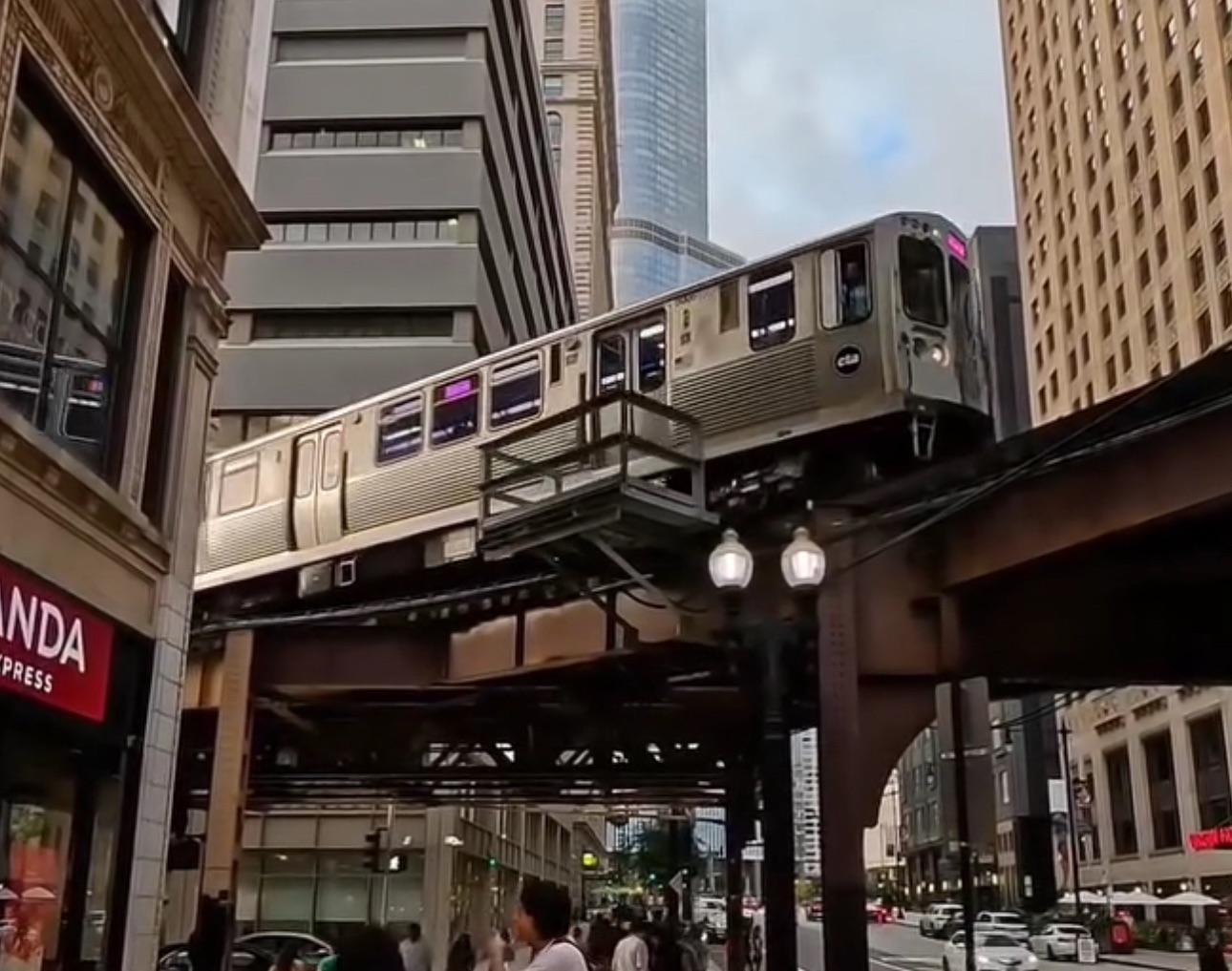

Let’s be real—if you live in Chicago or anywhere around the city, public transit is life. Whether it’s the CTA bus, the ‘L’ trains, a Metra ride out to the burbs, or catching a Pace bus, this system is what keeps the whole region moving. But now, it’s facing a big storm: by 2026, CTA, Metra, and Pace are staring at a $771 million budget shortfall.
That number ain’t small. And if we don’t figure out how to cover it, everyday riders—folks like you and me—are going to feel the squeeze. We’re talking about the possibility of higher fares, fewer routes, or cutbacks in service. Imagine waiting for a bus that used to come every 10 minutes, now only showing up every 25. Or worse, your route being eliminated altogether. For people who depend on public transit to get to work, school, doctor’s appointments, or just to live their lives, that’s not just an inconvenience—it’s a barrier.
How Did We Get Here?
The pandemic changed everything. Ridership dropped heavy when people started working from home, and it still hasn’t bounced back to pre-COVID numbers. Federal emergency funding helped keep things afloat, but that money is running out. Now, the system is left trying to figure out how to pay the bills.
Why It Matters for Us
For Black and Brown communities in Chicago, public transit is more than just transportation—it’s opportunity. It’s the difference between keeping a job or losing one because you can’t get there on time. It’s whether a kid has a safe and affordable way to get to school. It’s whether a grandmother on the South Side can get to her doctor’s appointment without paying $30 for a rideshare.
We already know that disinvestment hits our neighborhoods the hardest. So if service cuts come down, you can bet they won’t start in the Gold Coast or Lincoln Park. It’ll be our routes on the South and West sides.
What’s Next?
Transit leaders are calling this “the fiscal cliff,” and that’s exactly what it feels like. Without new funding—whether from the state, federal government, or creative solutions—the system can’t keep running the way it does now. There are conversations happening about dedicated revenue streams, like increased taxes or state support, but nothing is locked in yet.
Why We Gotta Pay Attention
When folks talk about budget shortfalls, it can sound like just numbers on paper. But for us, it’s about real life. It’s about whether a single mom can drop her kids off at daycare and still make it to her job downtown. It’s about whether a college student from the South Side can afford that Metra pass to get to class. It’s about equity, safety, and the basic right to move around your own city.
Chicago has always been a city that moves. We can’t let a $771 million gap stop that. We’ve got to hold leaders accountable to find solutions that don’t leave everyday riders behind. Because at the end of the day, transit is more than trains and buses—it’s the backbone of this city.