
Hey y’all — let’s talk real about what the Clean Slate Act in Illinois could mean, especially for folks around here in Chicago. This isn’t just policy talk — this is about doors opening, second chances, and lives shifting.
You know how sometimes there’s this feeling like you did your time, paid your dues — and yet the world keeps punishing you? Jobs check your past, housing applications see that record, school admission glances sideways. It’s like you’re still serving even when the sentence is done. That’s what the Clean SlateAct is trying to change.
Here’s the deal: The bill wants to automatically seal certain non-violent criminal records in Illinois. No more paperwork piled up, no waiting for someone to show up in court, no hoping you find a lawyer who understands your story. The idea is: you’ve fulfilled your consequences, you’ve stayed out of trouble for an eligible time — then boom, your record gets sealed and your past doesn’t have to chain you to your future.
Why does that matter? Because sealing a record isn’t just a legal technicality. It means you can apply for jobs without being instantly disqualified, you can feel less ashamed when someone asks about your history, you can try for housing without that immediate “Check past convictions” box haunting you. And in our Black Chicago communities, where the system has stacked odds already, lifting this barrier could be game-changing.
Advocates are also pointing out the bigger picture: it’s not just about fairness, it’s about economics. The numbers say that when folks with records get sealed, wages go up, opportunities multiply. Illinois alone could see billions in lost wages recovered if the “second‐chance gap” begins to close.
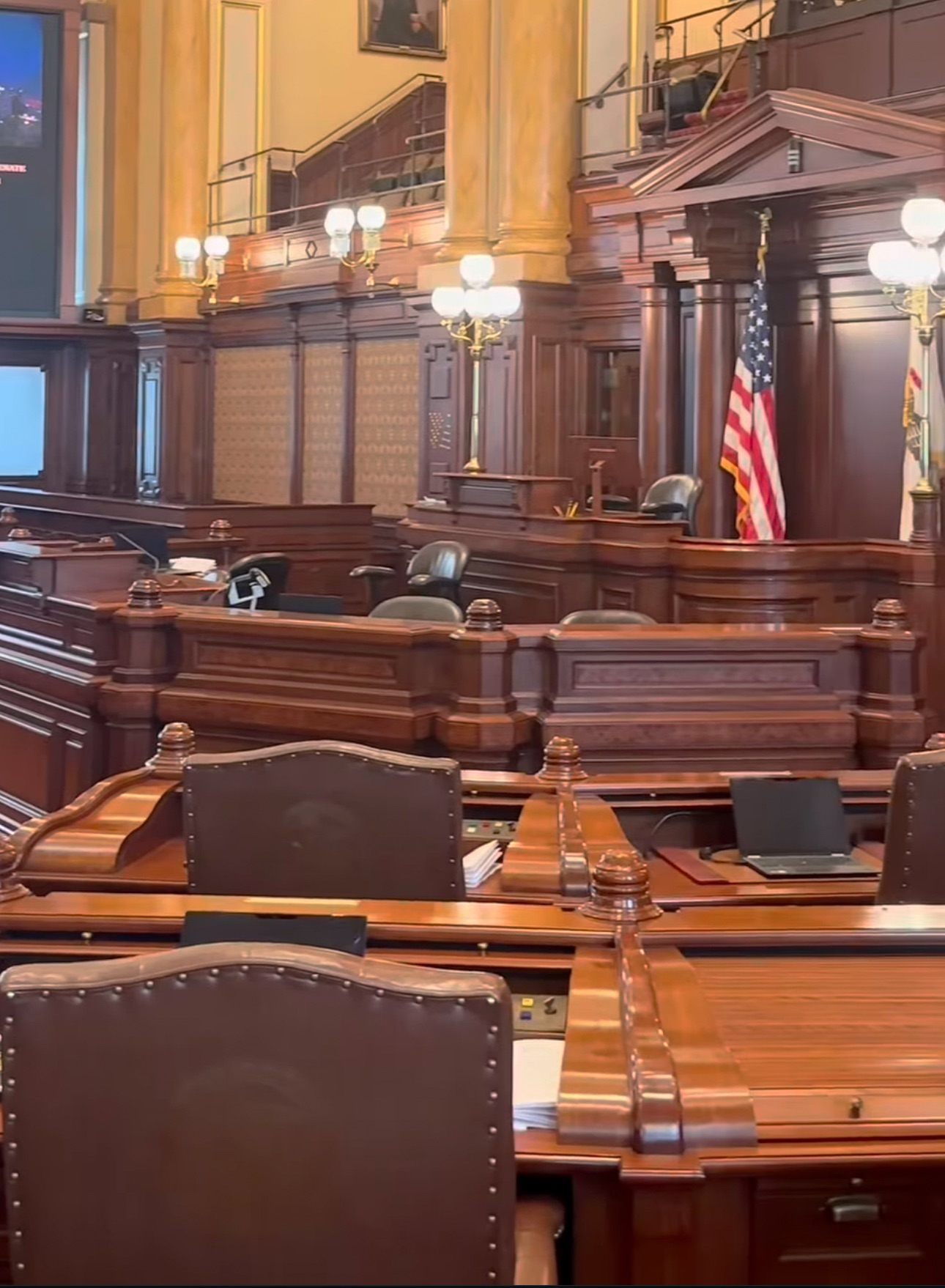
Now… of course it’s not all easy street. The bill did get through the House with a strong showing — but it stalled in the Senate in Spring 2025. Some folks raised valid concerns: funding, county resources, ensuring the system can actually do the “automatic” part without leaving people behind. It’s one thing to pass a law, it’s another to make it real in every Illinois county — Chicago, suburbs, rural.
So what do we watch for now? We keep eyes on when the legislative session comes back. We check how the implementation plan looks: waiting periods, which offenses are eligible vs. ineligible. (Important: serious violent crimes, DUI, sex offenses are excluded from automatic sealing under the proposed version.) We ask: Will people know about this? Will counties have the tech/system to carry it out? Will employers respect it? Will the community feel the change?
If you’re thinking: “Ok, but what does this mean for me or someone I know?” — here’s the voice of it: Imagine your cousin who made a mistake when he was young, was given a chance, stayed out of trouble for years, but still can’t get hired at a good job because of that record. With Clean Slate, that cousin might finally stop getting passed over just because of what happened ten years ago. The brand new job that was “almost hers” might become hers. The affordable apartment could start saying yes. And the weight — the heavy resume baggage — might start to lift.
It also means our community takes one more step away from punishment as a life-sentence and toward re-entry as real. Because when people are locked out of work/housing/education, the ripple effects hit families, kids, neighborhoods. So this isn’t just a legislative win — it could be a community win.
In short: the Clean SlateAct is about cleaning the slate — but also about rewriting the story. Not erasing accountability, but ensuring that serving your time actually means you get a shot. That’s powerful. And for our Black Chicago girl voice — it’s about dignity, hope, and stepping into your next chapter without the old headline dragging you backward.