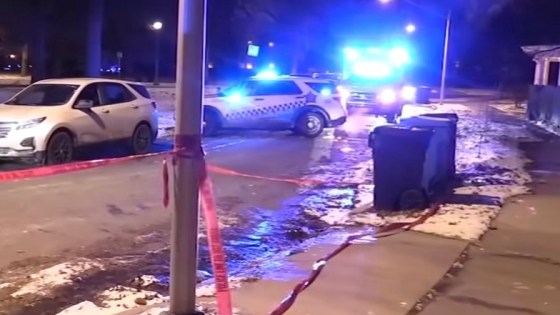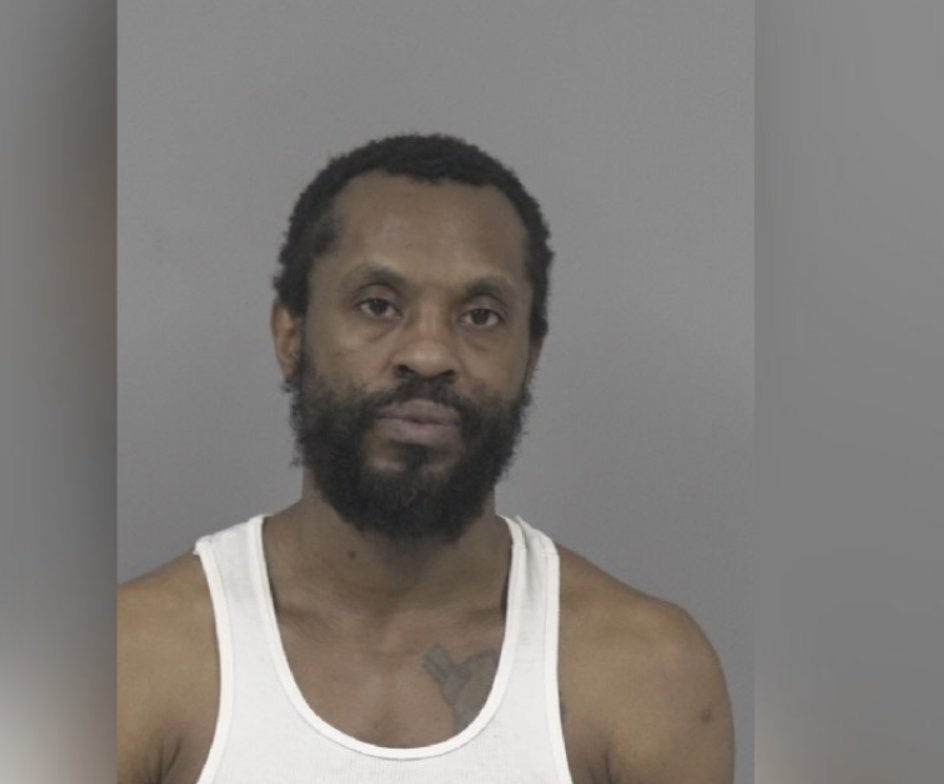

When I first read about the case of Wellington Delano Dickens III, it shook me. A 38‑year‑old man, a father, a veteran, is now accused of murdering his four children. The timeline is grim. According to the sheriff in Johnston County, North Carolina, Dickens called 911 and admitted to killing his children. Investigators say the children were killed one by one over the course of months: a six‑year‑old in May, a nine‑year‑old in August, a ten‐year‐old around late August/early September, and an eighteen‑year‑old stepson in September. They found the bodies in the trunk of a car.
What makes this even more heartbreaking is the element of service and trauma. Dickens served in the U.S. Army and in Iraq. He reportedly had PTSD. The children were homeschooled, the family lived secluded. Neighbors rarely saw them. From the outside, that might look like a protective environment—but something inside clearly fractured.
So what do we do with this? What makes a father—someone sworn to protect—become the opposite? And how many times do we ignore the warning signs in our communities because we don’t want to look, or because we pre‑judge who “should” be suffering?
This story forces us to talk about mental health in veterans. We love to say “thank you for your service” and salute the uniform. But do we mean it? Do we provide enough wraparound care once the soldier leaves the battlefield and returns to the homefront? PTSD doesn’t just vanish because you hang up the uniform. And in this case, if those wounds festered—not just in Dickens, but in the silence around him—the consequences were devastating.
It also raises questions about isolation and secrecy. When kids are homeschooled, when families retreat from community, when no one sees them or asks questions—sometimes the damage stays hidden. The fact that the children were isolated and the father was distant from help highlights how tragedy can build behind closed doors.
And then there’s the weight of being a father, being a protector. Communities of color, especially Black and brown families, often hold up images of strong dads, of resilience, of never showing weakness. But what happens when that strength hides suffering? What happens when the dad can’t ask for help? This case may be extreme, but the mirror it holds up is real.
We also need to ask: Where were the systems? In schools, in social services, in veteran support networks. How do we build pathways that say: “It’s okay to be struggling. It’s okay to need help. It’s okay to show pain.” Because when we silence someone’s pain, or tell them to “man up,” we push them into dark corners.
For Chicago, for Black girls and boys, this story matters because it’s one of many where trauma goes unseen, voices go unheard, and pain is internalized until the breaking point. It’s a call to community: to watch, to ask, to reach out. To say “Are you okay?” even when the family seems quiet. To say “We see you” even when the uniform looks polished.
So yes—this case is horrific. But it’s more than the horror. It’s a wake‑up. It’s a reminder that service veterans need support. That mental health is real. That children need visibility. That isolation can kill as surely as bullets. And that we can’t just tokenize the idea of “strong man” without also bidding for “strong help.”
We owe the four children their names, their lives. We owe the dad the chance that he never got—or maybe never accepted. And we owe our community the courage to lean in when someone seems fine, but might not be. Because the scars that don’t heal can break everything.