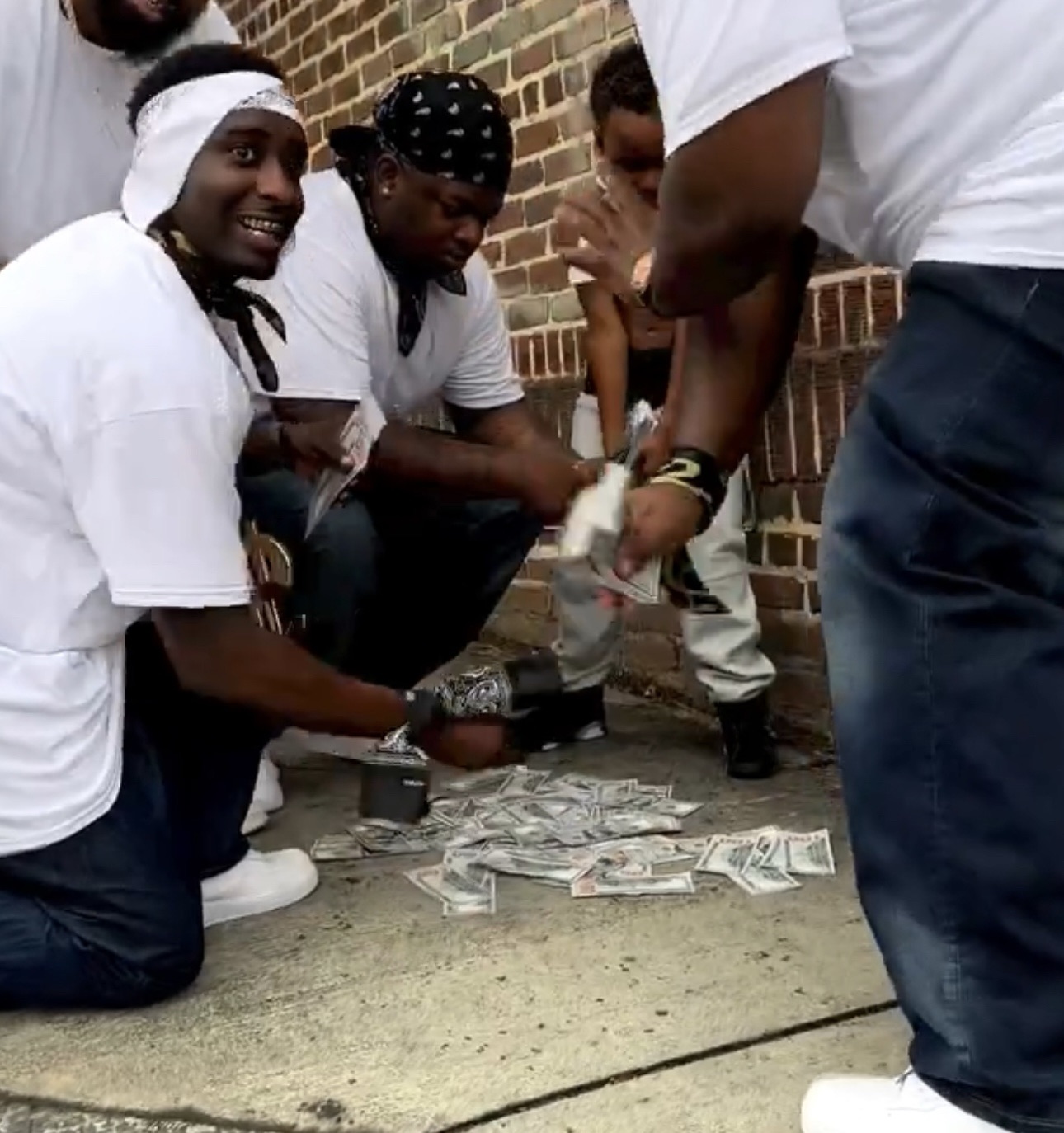

Growing up in the city, I watched money move around like a fast train — sometimes it felt like it was passing me by. Rent was due, groceries stacked up, bills piled high, and yet no one ever really sat us down to explain how money actually worked. It wasn’t just numbers; it was power. And for many urban communities, understanding money often feels like a secret no one handed us the key to.
That gap in knowledge isn’t about intelligence or effort. It’s about access. That’s why financial literacy in urban communities matters — because education creates choice, and choice creates freedom.
Why Financial Literacy Matters Beyond the Numbers
Financial literacy isn’t about memorizing terms like “APR” or “interest rates.” It’s about understanding how money interacts with your real life — how it grows, how it disappears, and how everyday decisions shape your future. When people understand money, they move with confidence instead of fear.
For Black and Brown communities especially, systemic barriers have made this journey harder. Underbanked neighborhoods, limited access to financial education, and predatory lending practices didn’t happen by accident. These challenges highlight why community financial education is essential — not as a lecture, but as an ongoing conversation rooted in real experiences.
Organizations like Discover have emphasized the importance of financial education as a tool for long-term empowerment, supporting initiatives that focus on budgeting basics, credit awareness, and building financial confidence over time. When education is accessible and relatable, it becomes something people can actually use.
Small, Intentional Steps Toward Financial Confidence
Being financially literate doesn’t mean being perfect. It doesn’t mean never struggling or having it all figured out. It means learning how money works so it doesn’t work against you.
Some of the most impactful steps are simple and realistic:
- Creating a budget without shame or judgment
- Saving consistently, even if it starts small
- Understanding how credit and debt function
- Asking questions at the bank or credit union
- Learning the basics of checking and savings accounts
These steps don’t require wealth — they require information. Financial literacy turns money from a source of stress into a tool that supports your goals instead of controlling your decisions.
Claiming Space in Financial Conversations
Financial spaces often feel intimidating by design. Opening accounts, negotiating pay, or asking about credit can feel inaccessible when no one has walked you through the process. But claiming space in these conversations is an act of empowerment.
When individuals understand their options, they gain the confidence to advocate for themselves. That confidence is a key ingredient in building generational wealth, even when the odds feel stacked. Financial literacy helps people move from survival mode into strategy mode.
Resources focused on education — like Discover’s financial literacy tools — help break down complex topics into language that feels human, not overwhelming. When information is clear, people are more likely to engage, ask questions, and take action.
How Knowledge Spreads Through Communities
One of the most powerful things about financial literacy is how quickly it spreads. When one person learns the basics, that knowledge doesn’t stay isolated. It moves through families, friendships, and neighborhoods.
It shows up in conversations at the barbershop or beauty salon. It’s shared between cousins, siblings, and coworkers. Someone explains how to open an account, how credit works, or how to start saving — and suddenly, access expands.
This is why community-based education matters. Financial literacy doesn’t live only in textbooks or classrooms. It lives in real spaces, passed hand-to-hand, creating tangible change over time.
For more community-centered reads, tap in here: Keith Lee ranks the cities with the best food and Black-owned & community grocery stores helping close Chicago’s food gap .
Turning Financial Literacy Into Freedom
At its core, understanding money is about freedom. It’s about protecting your peace, choosing your path, and giving yourself room to breathe — no matter how fast the city moves around you. Financial literacy gives people the tools to make informed choices instead of reactive ones.
When education is shared, supported, and normalized, it becomes more than information — it becomes movement. And when communities learn together, they don’t just survive the system; they navigate it with intention.
For foundational tools and educational resources that support this journey, explore: Discover’s Financial Literacy resources.