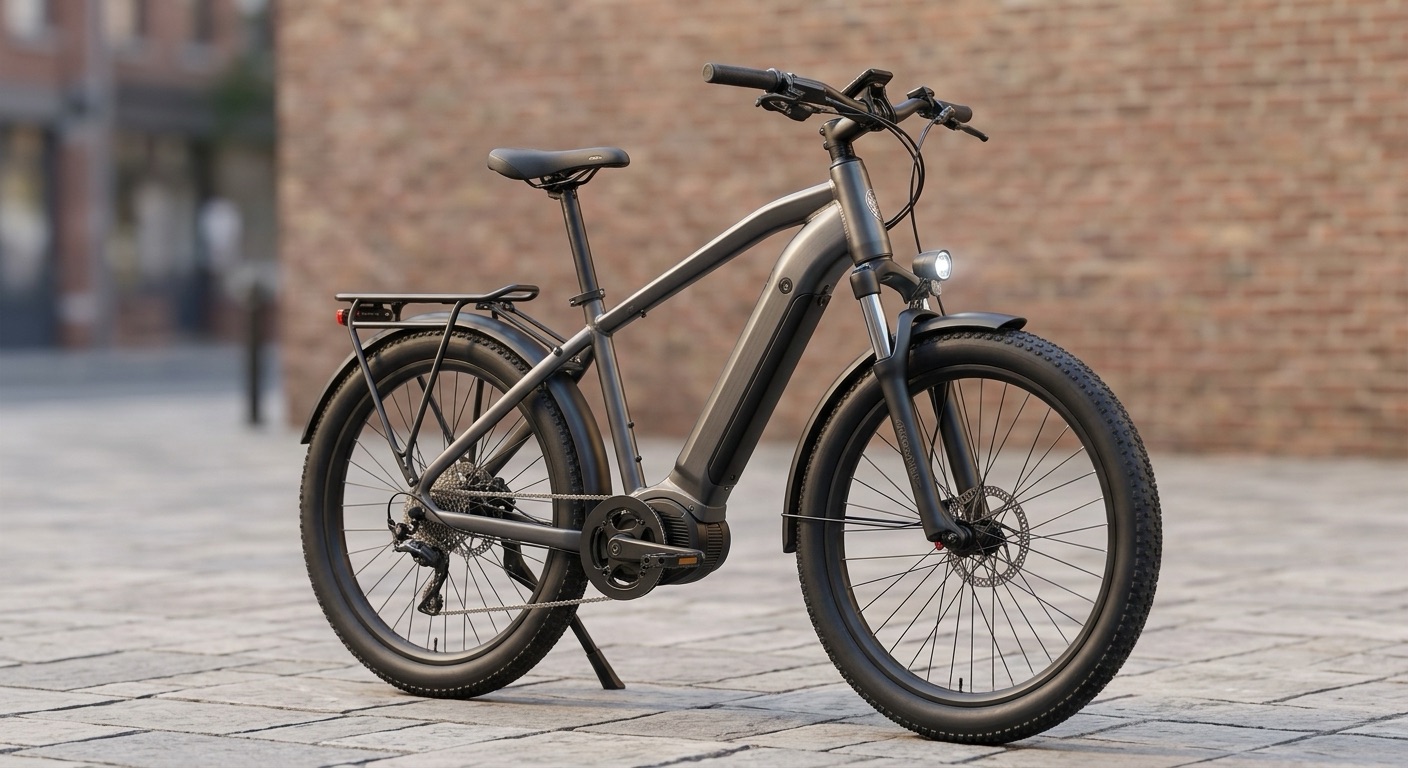
Under a new state law, anyone riding a high-speed e-bike will need a driver’s license, vehicle registration, and active insurance starting January 1, 2027.
Advertisement
Governor JB Pritzker officially signed Senate Bill 3484 into law on August 26, 2026, targeting high-powered bikes and “e-motos” that reach speeds over 28 mph or feature motors larger than 750 watts.
Because these devices move as fast as mopeds or small motorcycles, state lawmakers decided they should be treated like real motor vehicles instead of regular bicycles.
For riders operating standard, low-speed e-bikes capped at 20 to 28 mph, daily commutes will remain largely unchanged. The state will continue classifying these lower-powered models alongside traditional bicycles, exempting them from licensing, registration, and insurance mandates.
The landscape shifts dramatically for operators of high-speed e-bikes that top out above 28 mph.
Advertisement
Under the upcoming 2027 standards, riders must carry a valid driver’s license, secure an official title and license plate through the Secretary of State, and maintain active liability insurance.
The law also establishes strict operational boundaries: high-speed models will be barred from sidewalks, designated bike lanes, and shared paths, forcing riders directly onto public roads alongside vehicular traffic.
State officials framed the policy shift as an urgent response to mounting public safety concerns, pointing to a spike in high-speed collisions and sidewalk incidents involving heavy-frame e-motos.
Illinois Secretary of State Alexi Giannoulias emphasized that as two-wheelers grow faster and more ubiquitous, formal oversight is essential to safeguard both pedestrians and traditional cyclists.
“As these high-powered devices become faster and more common on our streets and sidewalks, the stakes are simply too high to leave them unregulated and outpacing public safety,” Giannoulias said in a statement. “This law brings accountability and common-sense safety standards to our roads while helping prevent serious injuries and ensuring riders, parents and communities understand how to safely share the road.”