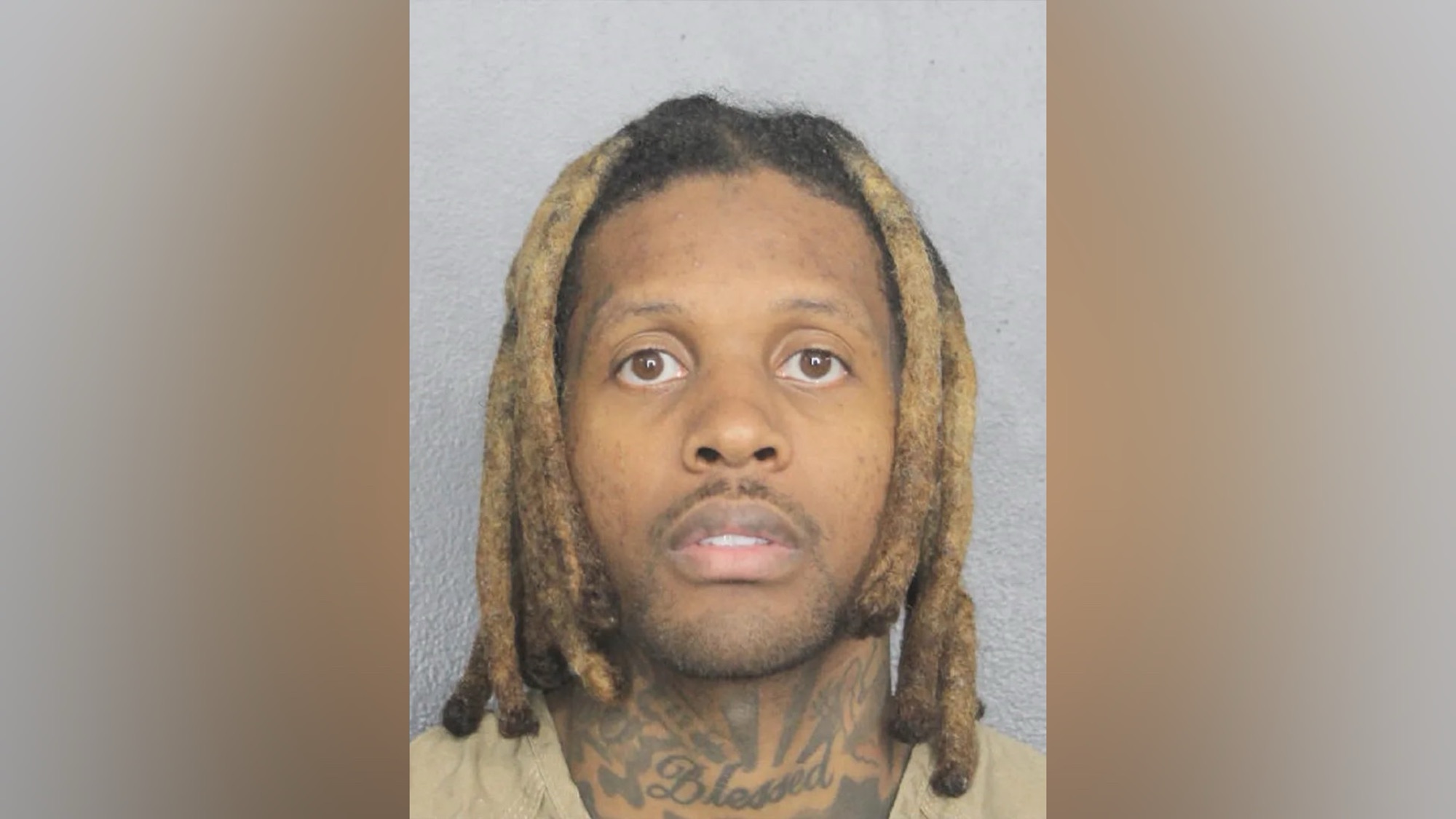
Lil Durk, the prominent Chicago rapper, is facing serious legal challenges as his trial for alleged murder-for-hire charges has been rescheduled from January 7, 2025, to October 14, 2025. This postponement is attributed to the extensive discovery process, which includes approximately 230 GB of digital evidence—such as audio and video recordings, surveillance footage—and around 20,000 pages of reports detailing violent acts, witness statements, medical records, and photographs.
The charges against Lil Durk stem from allegations that he orchestrated a retaliatory attack against rapper Quando Rondo, whom he purportedly held responsible for the death of his close associate, King Von. In August 2022, an ambush targeting Rondo resulted in the tragic death of his cousin, Saviay’a “Lul Pab” Robinson. Prosecutors assert that Durk coordinated this attack by offering financial incentives and music opportunities to individuals willing to carry out the hit.
Adding complexity to the case, at least one of Durk’s co-defendants, Deandre Dontrell Wilson, is reportedly considering a plea agreement. Wilson’s attorney has requested a “pre-plea sentence report” to assess his criminal history category under U.S. Sentencing Guidelines, indicating potential negotiations with the prosecution.
Lil Durk, whose real name is Durk Derrick Banks, was arrested on October 24, 2024, in Broward County, Florida, by U.S. Marshals. He has pleaded not guilty to charges including conspiracy to commit murder-for-hire and related weapons offenses. If convicted, he faces severe penalties, potentially including life imprisonment or even the death penalty. Currently detained without bail at the Metropolitan Detention Center in Los Angeles, Durk’s legal team has vigorously contested the charges, emphasizing his presumption of innocence.
Advertisement
The case has garnered significant public attention, not only due to Lil Durk’s celebrity status but also because of the broader implications for the use of artistic expression in legal proceedings. Prosecutors have pointed to lyrics from Durk’s music as potential evidence, a practice that has sparked debate over the fairness and relevance of interpreting artistic works as literal admissions of guilt.
As the new trial date approaches, both the defense and prosecution are expected to engage in extensive preparations, given the substantial volume of evidence and the high-profile nature of the case. Observers and fans alike will be closely monitoring developments, as the outcome may have far-reaching consequences for the intersection of hip-hop culture and the criminal justice system.
For a more detailed overview of the case and its implications, you may find the following video informative: