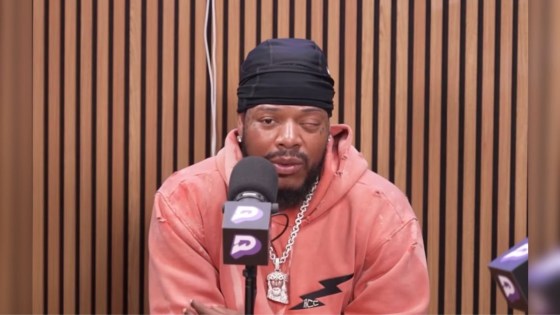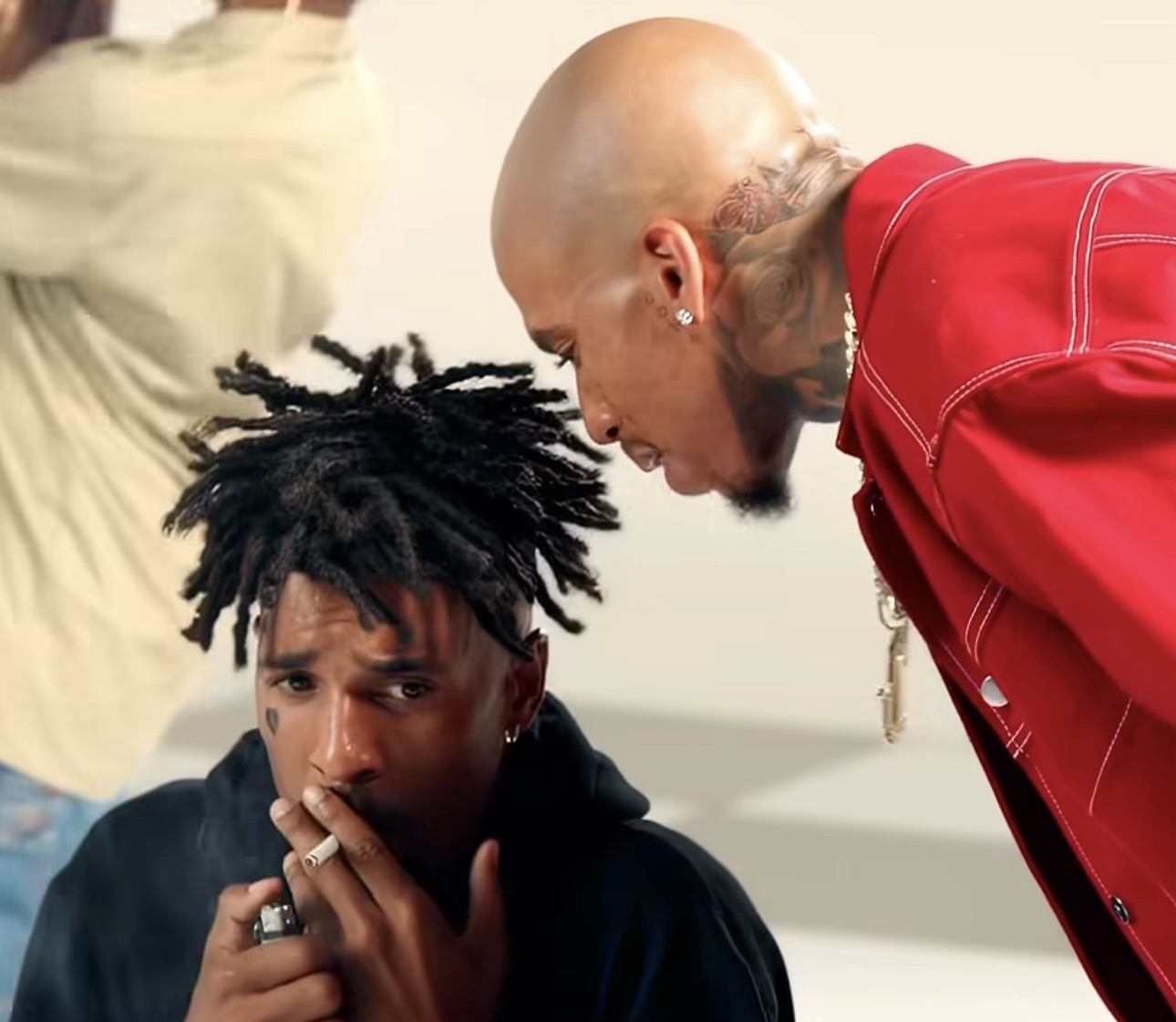

So, y’all seen it — NLE Choppa has everybody talking. The newest drop? A music video where he’s calling out YoungBoy, claiming his music is “poisoning the youth.” Yeah, he went there. According to NLE, the messages in YoungBoy’s songs are making kids act erratic, violent, and out here mimicking the chaos he raps about. And the visuals? Wild. He had a YoungBoy actor on his knees, rapping over a Tupac beat, dancing Michael Jackson style — like a whole cultural mashup just to drive the point home.
Now, I ain’t here to pick sides or start beef, but let’s unpack this. The theory that music directly “creates” violent behavior isn’t new — it’s been around since Tupac, Biggie, even N.W.A. But here’s the thing: music is a reflection, not always a blueprint. Kids who feel powerless, misunderstood, or trapped in cycles of poverty and violence might relate to what YoungBoy raps about, but are the songs making them do it? Or are the songs just giving them language for what they already feel? That’s where the conversation gets tricky.
And it’s not just hip hop — every genre has its “influence” arguments. Rock and roll supposedly corrupted teens in the ’50s. Punk supposedly made them defiant in the ’70s. So why do we keep pointing fingers at rap when, historically, it’s the lived experiences behind the lyrics that matter most?
But you can’t ignore the power of art either. Music sets the mood, shapes attitudes, and in some cases, normalizes behaviors. If a kid hears the same message of violence, revenge, or toxicity repeated in songs they idolize, it can subtly reinforce that that behavior is “cool” or “expected.” So NLE Choppa’s call-out isn’t totally off — it sparks a conversation we need to have, especially in communities like ours where so many young people look to rappers as role models.
Here’s where I challenge it: instead of blaming artists, what if we talked about context, guidance, and mentorship? Music doesn’t exist in a vacuum. Families, schools, and communities shape how kids interpret what they hear. We can’t just point at YoungBoy or NLE and say “your music is corrupting kids” without asking why kids relate to those messages in the first place.
The bigger question here isn’t just “who’s right or wrong” in the Choppa vs. YoungBoy saga — it’s how do we, as a community, help youth navigate these messages? How do we use music as a tool for expression, healing, and empowerment, instead of letting it be a scapegoat for societal issues?
So, yeah, NLE Choppa stirred the pot, and YoungBoy’s camp is probably feeling some type of way. But this is bigger than rap beef — it’s about influence, responsibility, and the conversations we’re having with the next generation. And if we start pointing fingers without reflection, we miss the chance to actually guide the kids who are watching, listening, and learning from all of it.