
Let’s really talk about it.
There was a time — not even that long ago — when you could walk into Popeyes Louisiana Kitchen, grab a two-piece and a biscuit, and be straight for $1.99. No second guessing, no checking your account first, no “lemme just get one thing.”
That was 2009.
And for a lot of us, that wasn’t just a deal — that was real life. That was lunch money stretching. That was making something out of nothing. That was community spots actually feeling affordable.
Fast forward to now, and everything feels different being charged $8.50 for the same meal.
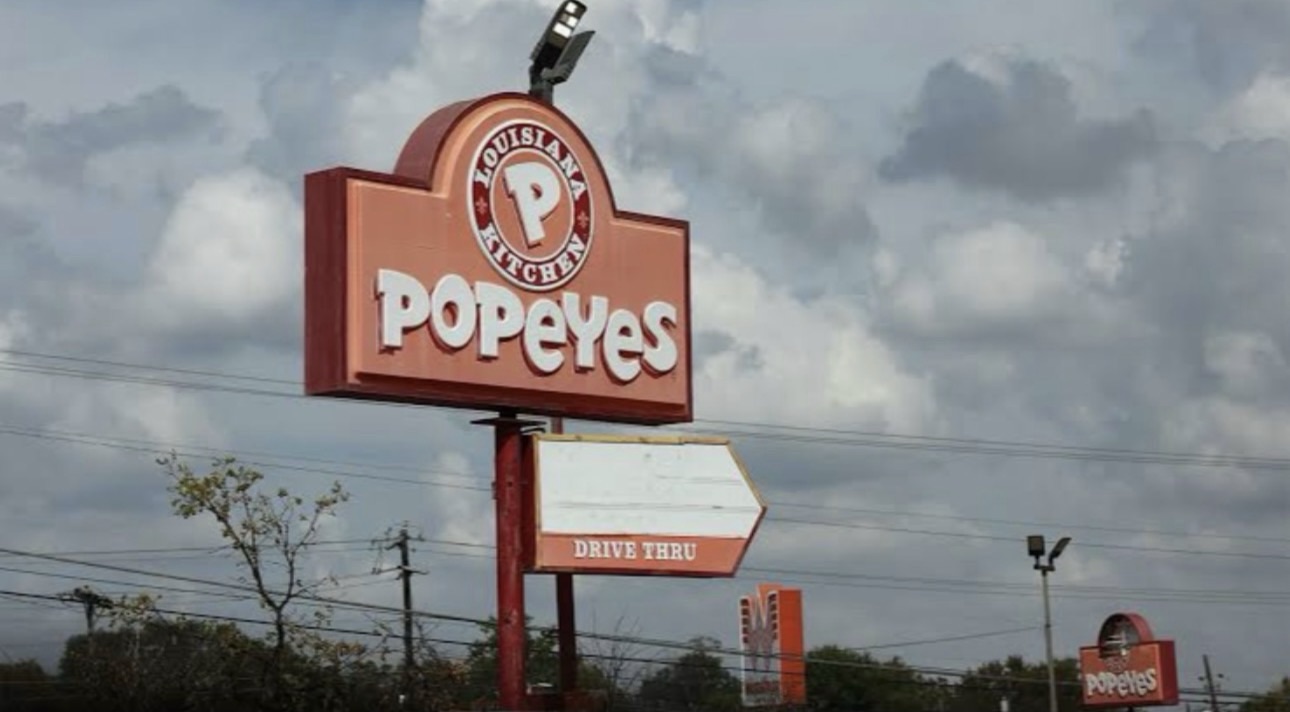
Recently, a major Popeyes franchise operator, Sailormen Inc., filed for bankruptcy and started closing down stores. On paper, it sounds like business — numbers, debt, restructuring. Regular corporate talk.
But if you’ve been outside, if you’ve been living in this economy, you already know this didn’t just come out of nowhere.
Prices been going up on everything. Not just rent or gas — food too. The same meal that used to hold you down for a couple dollars now got you looking at the menu like you calculating your next move. And it’s not even just about being “broke” — it’s about value not feeling the same anymore.
That $1.99 meal? That represented something. It was accessibility. It meant no matter what kind of day you were having, you could still eat. And that matters in communities where fast food spots aren’t just convenience — they’re part of the daily rhythm.
So when stores start closing, it’s not just “oh well, another business.”
It’s another shift.
Because spots like Popeyes have always been planted in Black communities. Not randomly — strategically. High traffic, loyal customers, real demand. We’ve been keeping these places alive for years.
But ownership? That’s a different story.
A lot of these locations aren’t owned by the people who actually live in the neighborhoods they serve. So when money gets tight and decisions need to be made, it’s not about who grew up on that block or who depends on that store being there. It’s about what makes sense on paper.
And on paper, closing a store is easy and a logical form of action in business.
To be clear, Popeyes as a brand isn’t going anywhere. This situation is about one major operator struggling, not the entire chain falling apart.
But it still says something.
Because when you zoom out, you start to see the pattern —
things getting more expensive,
businesses getting more fragile,
and the spaces we’ve always relied on slowly changing or disappearing.
That $1.99 two-piece and biscuit?
That was a different time.
Not just cheaper — different energy. Different economy. Different relationship between people and the places they depended on.
Now everything feels a little more distant. A little more calculated.
And yeah… the chicken might still taste the same.
But everything around it?
That’s changed.