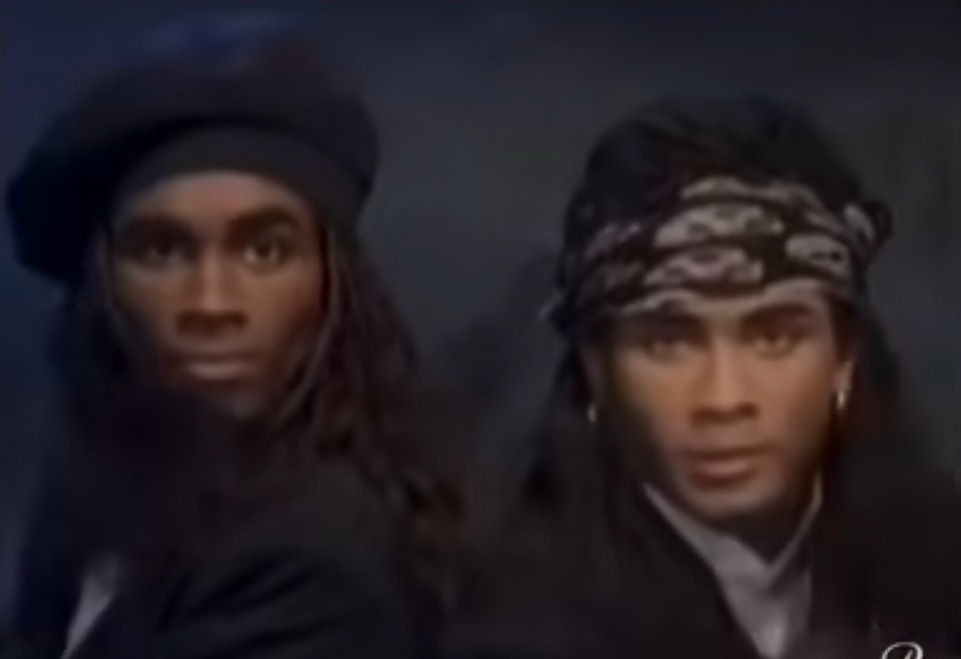

So let me get this right — back in the day, the whole world came for Milli Vanilli when it was revealed they weren’t the real voices behind their own Grammy-winning album. They got stripped of their Grammy, dragged in the media, and became the ultimate cautionary tale about “faking it” in the music industry.
For those who don’t remember: Milli Vanilli was a German R&B pop duo made up of Rob Pilatus and Fab Morvan, who blew up in the late ’80s with hits like Girl You Know It’s True. Their music topped charts, their style defined an era — until the truth came out in 1990. The vocals on their album weren’t theirs. They were models, performers, faces for the sound — but not the sound itself. Once the lie unraveled, it was over. The industry, the Grammys, the fans — everybody turned their backs.
Fast forward to right now, and we’re out here letting AI-generated artists like Xania Monet (a completely digital persona created through artificial intelligence) drop songs that are fully machine-made. No human singer, no real voice — just code, data, and digital design. And the wild part? Instead of outrage, people are praising it. Sharing it. Calling it “the future.”
So what changed? When Milli Vanilli lip-synced to real human voices, they were labeled frauds. But now, when no one’s voice is real, we call it innovation?
Let’s be real — technology keeps evolving, and so does music. But if we’re going to celebrate AI artists, we need to have an honest convo about what authenticity means in this new era. What makes art real? Is it the human emotion behind the sound — or just the sound itself?
Because somewhere, Rob and Fab are probably looking down like, “So we were just 30 years too early?”
What do you think — is AI music evolution or deception?