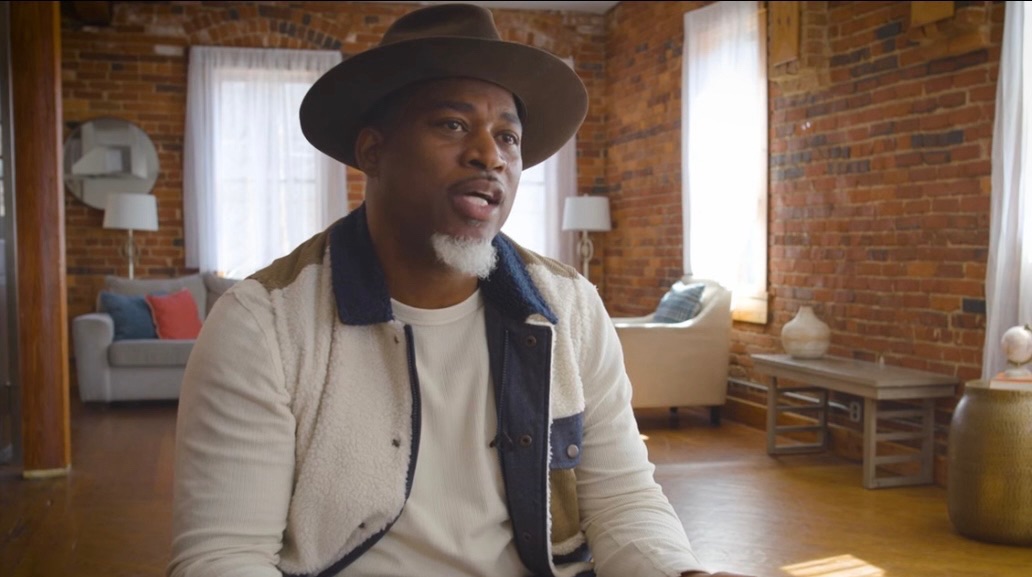
Rapper, producer, and activist David Banner is sparking conversation online after a powerful interview clip surfaced showing him reflecting on the migration of Black families from the South to Northern cities in search of better opportunities.
Advertisement
In the clip, shared by filmmaker Brian Storm, Banner speaks candidly about his family’s history and the difficult decisions many Black families made generations ago. He explained how families, including his own, left states like Mississippi and relocated to cities such as Chicago hoping to escape poverty, racial violence, and limited opportunities in the South.
During the conversation, Banner also shared a personal detail that resonated with many Chicago natives. He revealed that he was born at Michael Reese Hospital, a historic South Side hospital that closed more than two decades ago. He noted that he was part of one of the last generations of children born there before the facility shut its doors, marking the end of an era for many families who had long relied on the hospital for care.
Banner noted that while many families believed moving North would create a better life, the transition came with its own set of struggles. He reflected on how those moves often meant leaving behind land, community roots, and generational stability, only to face new challenges in unfamiliar environments. He emphasized that many of the issues impacting Black communities today can be traced back to those historical migrations and the systemic barriers families encountered along the way.
The clip has resonated with viewers online, with many praising Banner for shedding light on the historical context behind modern-day struggles within Black communities. Supporters in the comments shared their own family migration stories, noting similarities between their experiences and the realities Banner described.
Advertisement
Known for blending activism with education, Banner has long used his platform to discuss cultural awareness, economic empowerment, and historical understanding. As the video continues to circulate across social media, it’s sparking deeper conversations about history, generational change, and the lasting impact of migration on families across America.