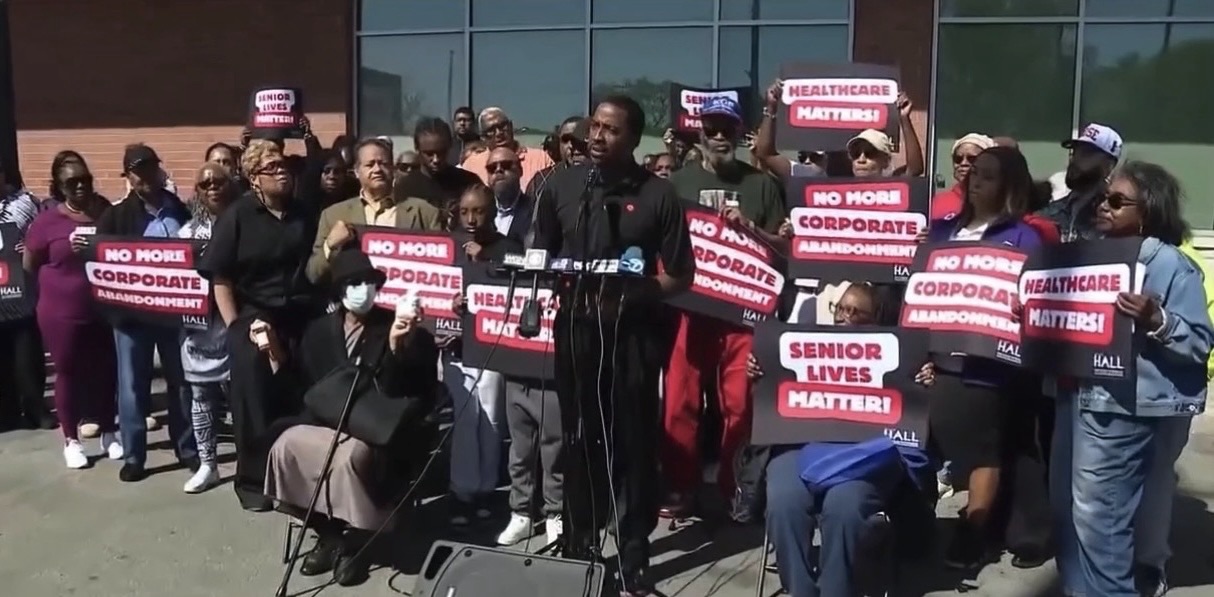
Chicago’s South Side is once again at the center of a growing debate over access to healthcare, as residents and leaders push back against the planned closure of a Walgreens in the Chatham neighborhood.
According to Fox 32 Chicago, the store, located at 86th Street and Cottage Grove, is set to close on June 4, sparking protests and frustration from community members who say the decision will have serious consequences. For many residents—especially seniors and those living with chronic illnesses—the pharmacy has long been a critical lifeline for medications and basic health needs.
Community leaders argue that this is about more than just a single store shutting down. They see it as part of a troubling pattern of disinvestment in predominantly Black neighborhoods on the South Side. In the past year alone, several Walgreens locations in nearby communities like Bronzeville and South Shore have closed, raising concerns about so-called “pharmacy deserts.”
At rallies and protests, residents have voiced anger and disbelief. Some say the company’s explanation—citing theft and safety concerns—doesn’t reflect the reality they experience daily. Others worry about the practical impact: longer travel times, delayed prescriptions, and overcrowded nearby pharmacies. For seniors without reliable transportation, even a one-mile distance can become a major barrier to care.
Alderman William Hall and other local leaders have been especially vocal, calling the closure harmful and even labeling it a form of “corporate abandonment.” They are urging Walgreens to reconsider or invest in alternative solutions that would keep essential services within the community.
Walgreens, for its part, says the closure is part of a broader strategy to address safety challenges and financial pressures. The company has offered to transfer prescriptions to nearby locations and provide temporary delivery services.
Still, for many South Side residents, those solutions fall short. To them, the loss of a neighborhood pharmacy isn’t just an inconvenience—it’s a direct hit to community health, dignity, and access to care.