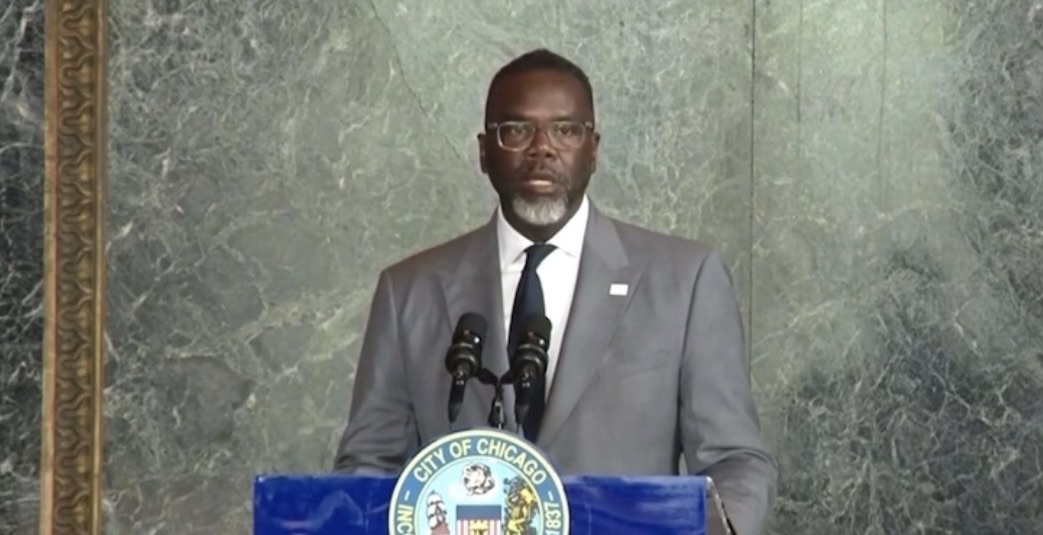
The City of Chicago is set to invest $42.5 million in neighborhood projects aimed at supporting community development, housing, cultural spaces, and local economic growth across the city, according to CBS Chicago.
City officials say the funding will go toward major redevelopment efforts in multiple neighborhoods, with a focus on transforming vacant buildings, expanding community facilities, and supporting workforce development and public services. The investment is expected to strengthen long-term neighborhood stability while bringing new resources to underserved areas.
The 12 largest Community Development Grant projects are receiving between about $490,700 and $5 million each. Funding comes from a combination of the Housing and Economic Development Bond, Tax Increment Financing (TIF) funds, and the Neighborhood Opportunity Fund.
Projects include major redevelopments such as a West Pullman site that will be converted into affordable housing and retail space, and a North Austin project turning a vacant building into mixed-income apartments and artist commercial space. In Back of the Yards, funding will support a new training academy for first responders, while Bronzeville will see upgrades to a community center with new media, culinary, and tech spaces.
In Little Village, a large-scale community center will include a gym, classrooms, and green space. Pilsen will also see investments in cultural and community hubs, including expansion of Hoste and renovations at the National Museum of Mexican Art. Additional projects include a new health center in Hermosa, expanded arts infrastructure in Avondale, workforce development programming in West Town focused on youth bike-building, and redevelopment of commercial spaces into community and recreation facilities in Logan Square and North Lawndale.
City leaders say these projects are designed to turn vacant or underused properties into active neighborhood assets while expanding access to housing, healthcare, arts programming, and job training. Officials also note that leveraging multiple funding sources allows the city to maximize impact across several wards.
Construction timelines will vary, but officials say the projects will roll out in phases as approvals and development agreements move forward. Community organizations are expected to play a key role in shaping how each project serves local residents.
The investment reflects Chicago’s continued push to drive neighborhood-level development and expand opportunities across the city’s communities.