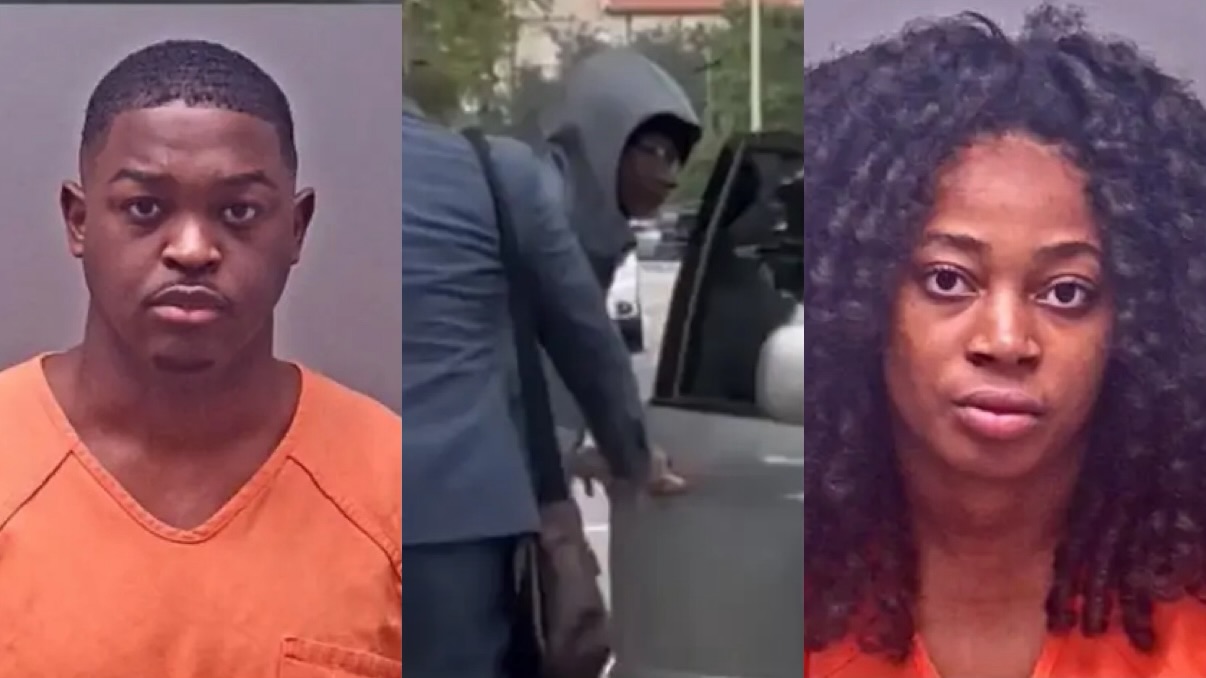
Three students were arrested ahead of President Donald Trump’s Alabama visit after federal investigators flagged their social media posts. Their cases are now headed toward a grand jury, raising questions about where online comments cross the line into criminal threats.
Advertisement
THE WORD
Three University of South Alabama students — Amare Jemal Woods, Cameron Lamark Lewis and Kayla Leaann Smith — face federal charges over separate social media posts about Trump.
The posts were flagged during an FBI search ahead of Trump’s Oct. 2 rally at the university.
A judge released the students from custody with conditions, including restrictions on social media use and contact with one another.
Federal prosecutors plan to present the cases to a grand jury. The students have not been convicted.
The charges have fueled public discussion about the difference between protected political speech and a criminal threat.
Three Black students at the University of South Alabama are facing federal charges after investigators flagged social media posts made ahead of President Donald Trump’s visit to the campus.
According to reporting from TheGrio and Atlanta Black Star, the FBI reviewed social media before Trump’s Oct. 2 rally at the Mitchell Center in Mobile, Alabama. Authorities arrested Woods, Lewis and Smith that day.
The alleged posts differed. Woods, an 18-year-old aerospace engineering student, is accused of commenting, “he gotta die, bro,” beneath a TikTok post about Trump’s visit. Smith, an education major, allegedly replied to a TikTok post with the words, “We only got one chance; let’s take it,” alongside an image of someone appearing to hold a firearm. Lewis, a biology student, allegedly shared posts on X that investigators interpreted as threatening.
All three students were released from custody after appearing before a judge. Atlanta Black Star reports that their release came with conditions, including avoiding social media and not speaking to one another. Prosecutors plan to take the cases to a federal grand jury, which will consider whether there is enough evidence to indict.
Advertisement
The charges have prompted debate about the boundary between political speech and a criminal threat. The First Amendment protects a wide range of harsh or offensive criticism of government officials, but it does not protect true threats of unlawful violence. Whether the students’ posts meet that legal standard remains unresolved; the charges are allegations, and the students have not been convicted.
Woods’ attorney, Jason Darley, has questioned whether his client’s post amounted to a threat or a comment. TheGrio also reported that some social media users pointed to Trump’s own remarks about Los Angeles and San Diego amid the war with Iran, which drew criticism from California leaders. The White House said Trump was describing what could happen if he had not started the war.
The circumstances are different, and the students’ cases will be decided through the legal process. Still, the contrast has become part of the public conversation: How should threats be evaluated, and should the same standard apply regardless of who is speaking or who is being discussed?
“There’s going to be some genuine question as to whether or not this was a comment versus a threat.”— Jason Darley, attorney for Woods
What do you think separates an offensive social media comment from a criminal threat? Be apart of the conversation.