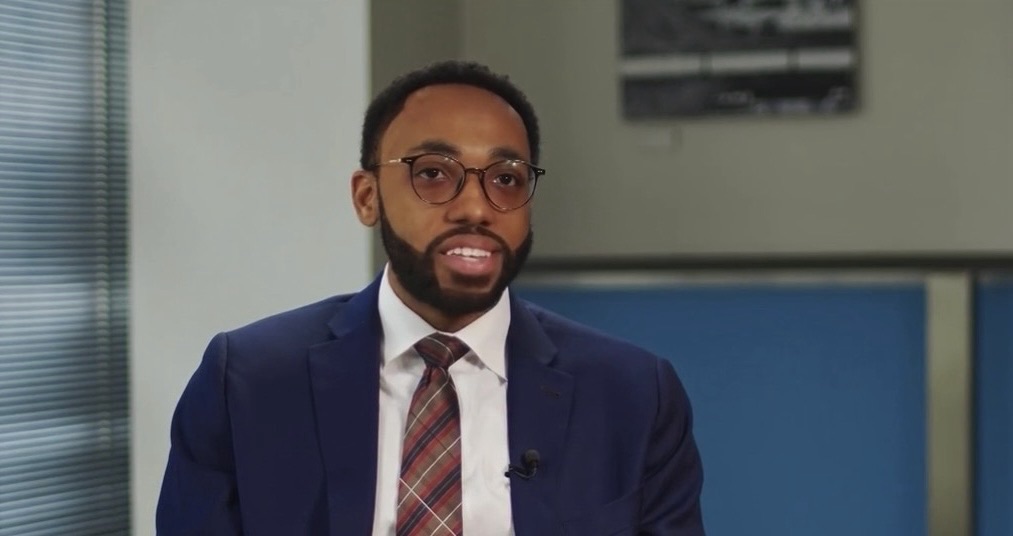
A Chicago surgeon is taking his fight against gun violence beyond the operating room and into the policy arena, pushing for legislation that would hold firearm manufacturers financially accountable for the public health costs of shootings.
According to CBS Chicago, UChicago Medicine surgeon Dr. Anthony Douglas has been a leading voice in this effort, advocating for the Responsibility in Firearm Legislation (RIFL) Act since January of last year. The proposed legislation is designed to require gunmakers to help cover the economic and medical burden that gun violence places on hospitals, taxpayers, and communities across the country.
As a trauma surgeon, Dr. Douglas has seen firsthand the devastating impact of gun-related injuries. Every shift in the trauma bay brings cases that highlight not only the immediate human toll, but also the long-term strain on medical systems—extended hospital stays, rehabilitation needs, and the emotional impact on families and medical staff.
Supporters of the RIFL Act argue that the current system leaves hospitals and public institutions absorbing billions in costs tied to gun violence each year, while manufacturers remain largely insulated from those consequences. The legislation aims to shift part of that financial responsibility upstream, creating incentives for prevention and accountability within the industry.
Dr. Douglas has continued to advocate publicly for the measure, speaking out at events, engaging lawmakers, and urging broader recognition of gun violence as a public health crisis rather than solely a criminal justice issue.
Meanwhile, gun violence survivors and advocates from across Illinois are traveling to Springfield today to push for the RIFL Act. A number of groups, including March For Our Lives and the RIFL Act Coalition, are gathering at the Illinois State Capitol as part of a coordinated advocacy effort aimed at advancing the proposal.
Supporters say the visit brings together survivors, activists, and health professionals who have been directly impacted by shootings and trauma care demands. They plan to meet with lawmakers, share personal stories, and urge action on the legislation.
Critics of similar proposals have raised concerns about legal challenges and the potential impact on the firearms industry, setting up what is expected to be a contentious policy debate if the bill advances further.
Still, for Dr. Douglas and other health professionals on the front lines, the issue remains urgent. Each day in trauma centers like UChicago Medicine underscores the need for systemic solutions that go beyond emergency care and address the root costs of violence in American communities.