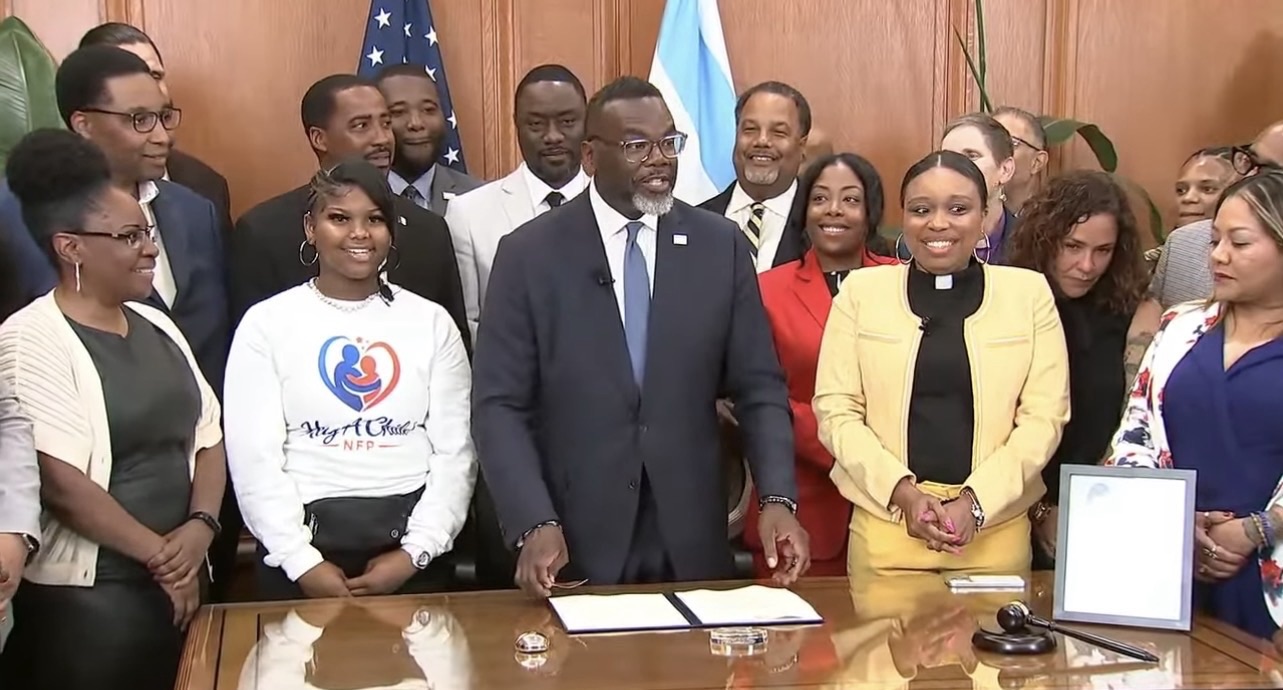
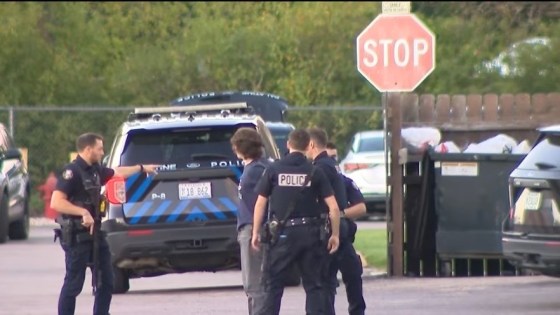
Chicago Mayor Brandon Johnson has signed a new executive order establishing the Office of Gun Violence Reduction, a move city leaders say is aimed at strengthening coordination, prevention efforts, and long-term strategies to address shootings across the city, according to CBS Chicago.
The new office will centralize violence prevention programs that have previously been spread across multiple departments, bringing together public health, community outreach, and law enforcement partners under one coordinated strategy. City officials say the goal is to improve response times, expand intervention efforts, and increase support for neighborhoods most impacted by gun violence.
Johnson framed the initiative as part of a broader public safety approach that goes beyond policing alone, focusing instead on community investment, trauma support services, and prevention-based solutions. The executive order is expected to prioritize data-driven interventions and expand partnerships with local organizations already working on the ground in affected communities.
The Office of Gun Violence Reduction will also coordinate with existing city programs focused on youth engagement, mental health resources, and violence interruption efforts. Officials say the structure is designed to reduce duplication of services while making sure resources are directed where they are needed most.
Community leaders have long pushed for a more unified strategy to address gun violence in Chicago, citing the need for consistent funding, clearer accountability, and stronger collaboration between agencies. Supporters of the new office say it represents a step toward a more organized and focused city response.
While the announcement has been met with support from violence prevention advocates, some residents are watching closely to see how the office will be funded and how quickly it can deliver measurable results.
The executive order marks another major policy move from the Johnson administration as the city continues its efforts to curb violence and invest in long-term community stability across Chicago.