

As the popularity of thrifting continues to rise among fashion-conscious and environmentally aware consumers, so too does the need for heightened hygiene awareness. A recent viral incident serves as a serious reminder of the potential health risks associated with wearing second-hand clothing without proper cleaning.
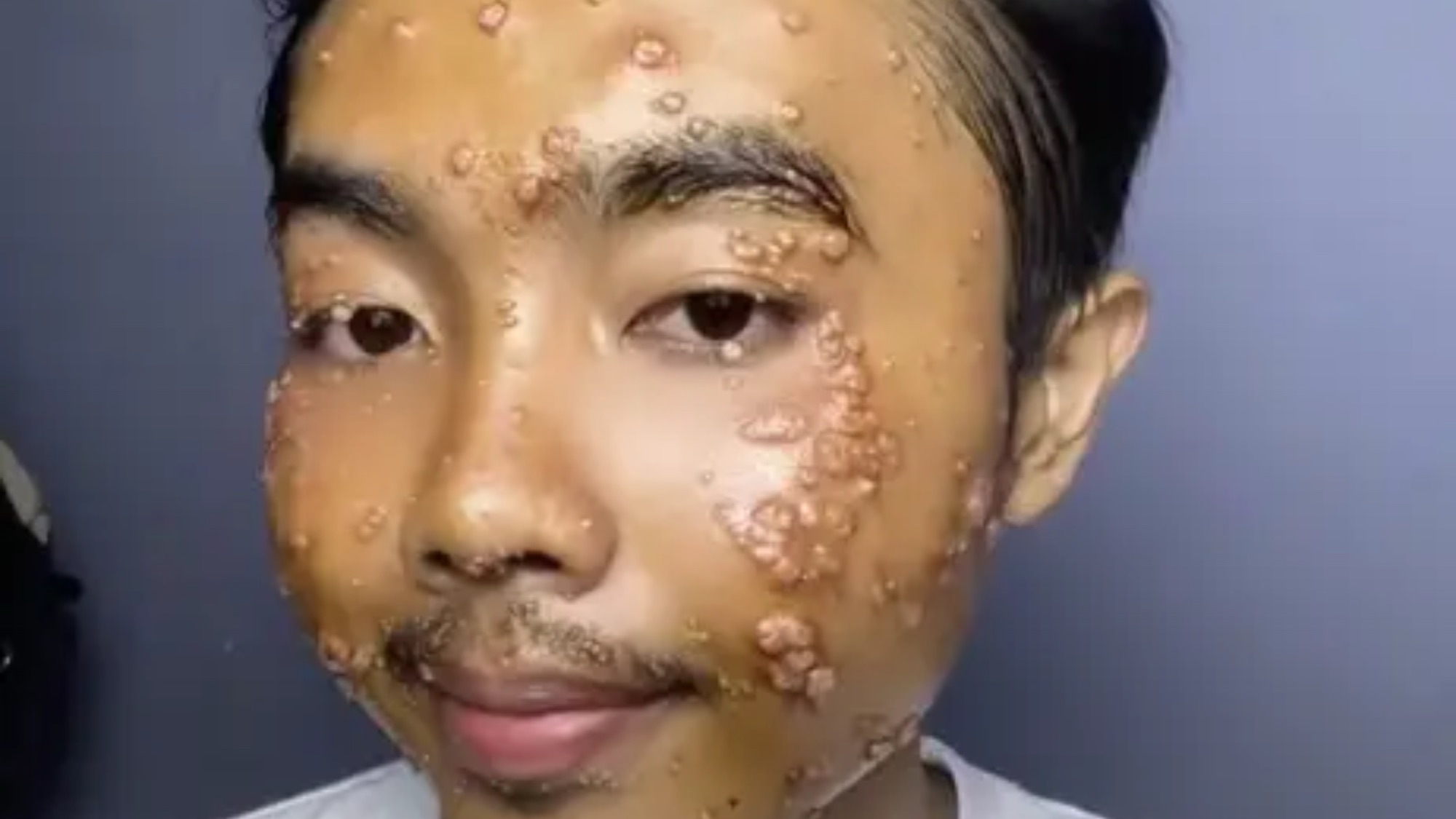
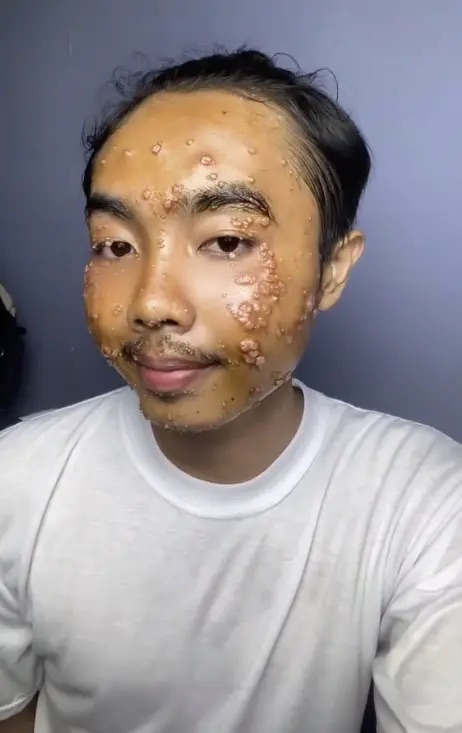
TikTok user @onenevertwhoo_one shared a personal experience that quickly gained attention across social media: he developed molluscum contagiosum, a viral skin infection, after wearing thrifted clothes that had not been washed. Molluscum contagiosum is typically spread through direct skin contact, but contaminated clothing can also serve as a vector for transmission, according to health professionals.
Experts emphasize that thrifted garments may harbor more than just style—they can carry bacteria, viruses, fungi, and even chemical irritants. Frances Kozen, a senior lecturer in fiber science and apparel design at Cornell University, noted that used clothing may retain chemical treatments such as anti-mildew agents or fabric softeners that can trigger allergic reactions or skin irritation if not properly laundered. Dermatologist Dr. Charles Puza further stressed the importance of washing all second-hand clothing before wearing to eliminate potential pathogens and irritants (New York Post).
The Centers for Disease Control and Prevention (CDC) has also issued warnings about infections such as ringworm, a highly contagious fungal infection, which can spread through contaminated fabrics including clothes, towels, and bedding.
Recommended Guidelines for Washing Thrifted Clothing
To ensure safety when wearing second-hand items, experts recommend the following practices:
Read and Follow Care Labels: Review each garment’s instructions to determine safe and effective washing methods. Pre-Treat Stains: Apply a suitable stain remover to visible marks before washing. Wash with Hot Water (When Safe): Hot water can help eliminate bacteria, viruses, and fungi. Use Hypoallergenic Detergents: Gentle, fragrance-free detergents reduce the risk of skin irritation. Thoroughly Dry Clothes: Proper drying helps prevent mold or mildew growth before garments are stored or worn.
As thrift culture continues to thrive, consumers must remain mindful of hygiene. By taking these precautionary steps, second-hand fashion can be both stylish and safe.

