
An American citizen is now believed to be leading one of Mexico’s most powerful drug cartels—raising new complications for U.S. efforts to combat the narcotics trade.
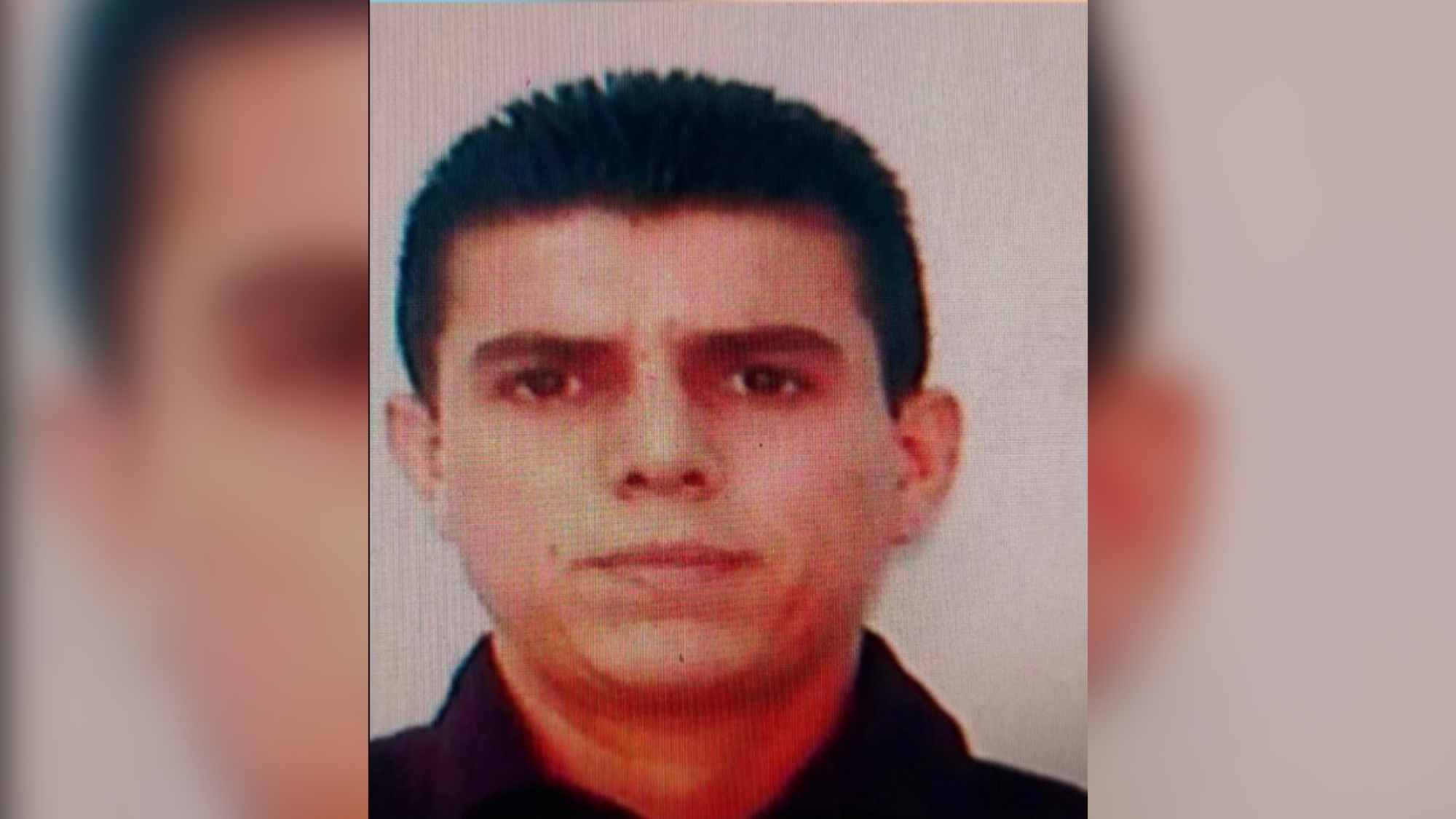
Following the early March killing of longtime cartel leader Nemesio “El Mencho” Oseguera—who was laid to rest in an elaborate ceremony with music and tributes—his California-born stepson, Juan Carlos Valencia González, has reportedly taken over power, according to U.S. and Mexican officials.
Valencia González, 41, is seen as the next head of the Jalisco New Generation Cartel (CJNG), formally extending the Valencia family’s control over one of Mexico’s most violent and expansive criminal organizations. His rise could create legal and operational challenges for U.S. authorities, as his American citizenship may limit surveillance and intelligence-gathering efforts without high-level approval.
Current laws require authorization from the attorney general and oversight by a secret foreign intelligence court to target or monitor U.S. citizens abroad—possibly hampering joint efforts between the U.S. and Mexico, especially as both nations have recently enhanced cooperation under Mexican President Claudia Sheinbaum.
Meanwhile, U.S. law enforcement agencies face additional restrictions, as they are not permitted to conduct operations on Mexican soil. Intelligence from CIA drone surveillance played a key role in locating and eliminating Oseguera, after officials tracked movements linked to one of his associates in Tapalpa, a vacation town in western Mexico. Mexican special forces ultimately carried out the raid, killing Oseguera and several of his bodyguards.
According to Apple News, Valencia González’s leadership also raises the stakes amid renewed discussions of aggressive U.S. action against cartels. Former President Donald Trump has publicly floated the idea of targeted assassinations against cartel leaders—an approach that would become far more complex if the target holds U.S. citizenship.
Since designating several Latin American cartels as terrorist organizations, U.S. forces have reportedly killed more than 150 suspected “narco-terrorists” in maritime operations, though human rights groups argue such actions amount to extrajudicial killings. Mexican officials, including President Sheinbaum, have rejected proposals for direct U.S. military intervention within the country.
Despite fears of a violent power struggle following Oseguera’s death, insiders suggest Valencia González may be able to stabilize the cartel and prevent internal conflict. Several high-ranking lieutenants are said to support his leadership to maintain business continuity across CJNG’s multibillion-dollar operations, which include trafficking cocaine, methamphetamine, and fentanyl into the U.S., as well as fraud schemes and fuel theft.
Valencia González—known by nicknames including “Baldy,” “Bimbo,” and “R-3”—was born in Santa Ana, California, and carries a $5 million U.S. bounty. He comes from deep cartel lineage; his father, Armando Valencia Cornelio, founded the Milenio Cartel, while his stepfather led CJNG to global notoriety.
Authorities describe him as highly violent, with a background leading elite paramilitary units within the cartel. CJNG has been linked to attacks on government officials, including the 2015 downing of a military helicopter and a brazen assassination attempt on a top Mexican security official in Mexico City.
Even as his power grows, officials believe Valencia González may attempt to stay out of direct confrontation with U.S. authorities—at least for now.