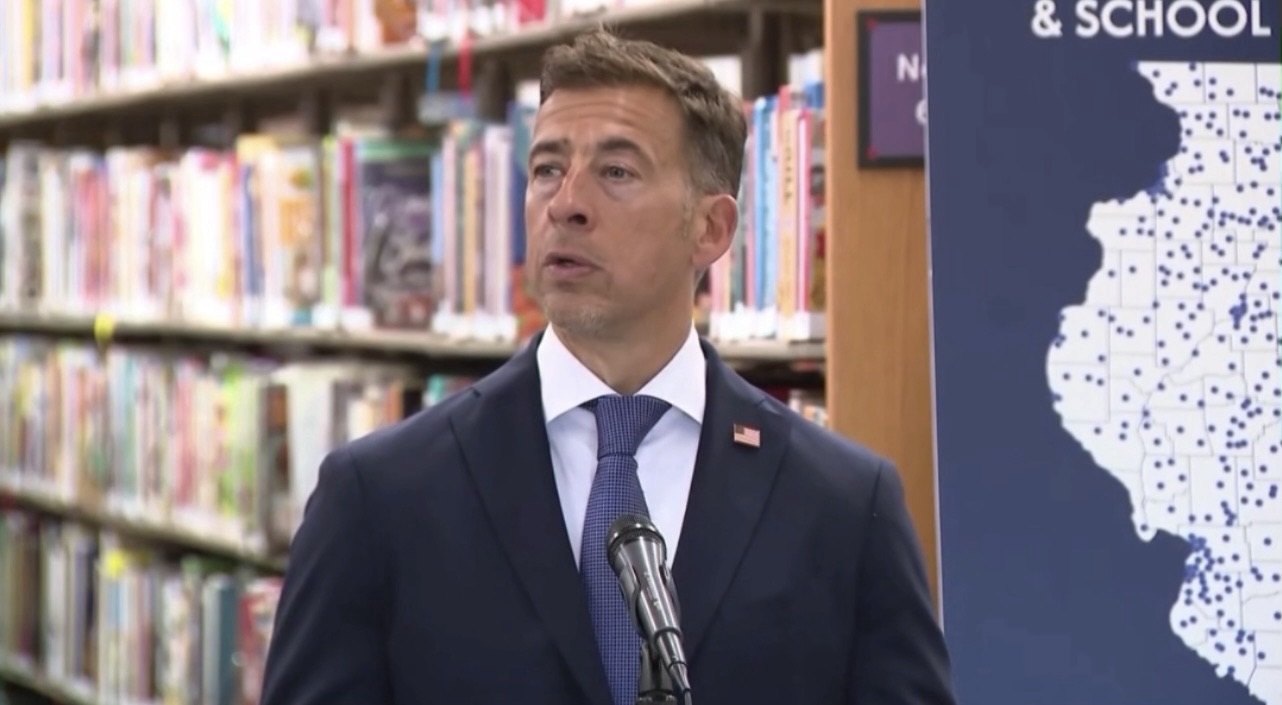
Libraries across Illinois are receiving a significant boost in state funding after the Illinois Secretary of State’s office announced more than $27 million in grants aimed at strengthening public library services, expanding access, and improving facilities statewide, according to WGN TV.
The funding is being distributed through several programs designed to support both large and small communities. A major portion is coming through the Public Library Per Capita Grant program, which will provide $20.6 million to 640 public libraries across Illinois. These funds can be used for books, multilingual materials, internet access, digital resources, staffing, community programming, and facility improvements. State officials said the distribution formula is based on each community’s population, helping ensure libraries receive funding aligned with local demand and usage.
Another key portion of the investment includes nearly $2.1 million in Equalization Aid Grants awarded to 88 public libraries. These grants are specifically intended to support communities with lower property tax bases, helping them maintain a consistent level of library services despite limited local revenue. Officials say the goal is to reduce disparities in library funding and ensure that smaller or under-resourced communities are not left behind.
Together, the programs are part of a broader effort to strengthen libraries as essential public spaces that provide more than just books. Across Illinois, libraries continue to serve as access points for technology, job resources, educational programming, and community engagement.
Secretary of State and State Librarian Alexi Giannoulias said the investment is aimed at helping libraries expand services, improve facilities, and enhance safety for visitors and staff. He emphasized that modern libraries play a critical role in supporting education, digital access, and community needs.
State officials say the latest round of funding will help libraries remain safe, welcoming, and fully equipped to serve residents of all ages, while continuing to adapt to growing demands for digital tools and public programming.